



TL;DR: In ancient times, warriors collected scalps as marks of honor and bravery.
Long ago, fighters took scalps to show their courage and high social status. They didn’t see it as simple violence, it was a way to earn respect and pride in their communities. These trophies turned fierce battles into public ceremonies that celebrated strength and skill. Exploring this practice reveals a raw, honest view of honor that still sparks debate today.
Scalping History Overview: Origins and Early Practices
Scalping is the act of removing a person's scalp with a sharp tool, usually a knife. It was practiced on both living people during conflicts and on the dead. Often, scalping meant marking a victory or taking revenge, and it carried deep social and symbolic meaning.
Early societies used scalping not just as a way to punish but also as a show of strength. A scalp served as a trophy that signified honor, courage, and even higher status. Warriors displaying skull trophies earned extra respect at community events, making each scalping both a personal win and a public declaration of their fighting skills.
Archaeologists in North America and Eurasia have uncovered evidence that scalping was common in pre-colonial cultures. Remains in burial sites and other artifacts show that the ritual of removing scalps played a role in various cultural practices. Studies indicate that scalping dates back to ancient times as a clear sign of victory and distinction. Some groups even showcased scalp trophies during festivals and battles to highlight their prowess and readiness to defend their community.
Scalping History in Indigenous Cultures: Rituals and Significance
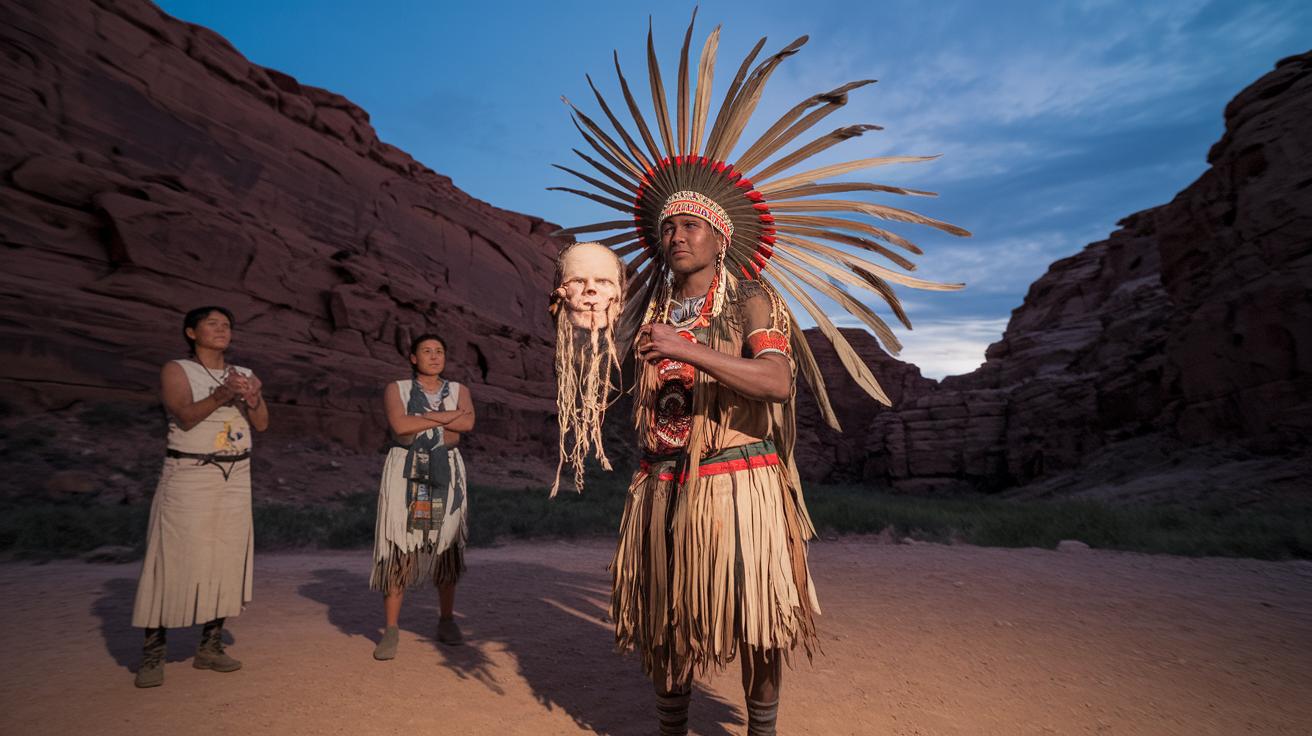
For many indigenous tribes, scalp-taking was more than an act of violence, it was a ritual that honored brave warriors and strengthened community bonds. Warriors earned their status by earning scalp trophies that showed their strength and courage in battle. This practice not only settled disputes but also passed on traditions from one generation to the next.
Across different tribes, scalp customs played an important part in ceremonies and rites of passage. During war dances and civic events, taking a scalp marked a warrior’s commitment to protect the community. Leaders and elders used these customs to celebrate key milestones, and displaying scalps honored past victories while encouraging younger members to uphold their heritage.
- Iroquois: used enemy scalps to prove combat success.
- Apache: wove scalps into war dance attire.
- Comanche: mounted scalps on lodge poles as a warning.
- Pawnee: incorporated scalp trophies into adoption ceremonies.
- Cherokee: attached scalps to ceremonial headdresses to show status.
Scalping History in Colonial America and Frontier Conflicts
European settlers in the 17th and 18th centuries recorded scalp-taking in diaries and military reports. They described how taking a scalp was used to show victory and intimidate enemies. It wasn’t just for personal gain but also a symbol of bravery that boosted troop morale.
Colonial governments in places like New England and California set up scalp bounty programs during rising tensions. They offered cash for captured enemy scalps to lower hostilities by encouraging aggressive action. This bounty system made scalp-taking a recognized part of frontier defense.
In frontier conflicts, both colonists and indigenous groups used scalping as a tool of psychological warfare. Removing an enemy’s scalp was meant to demoralize opponents before battles began. This practice sent a clear, grim message that crossed cultural lines during America’s early expansion.
Scalping History Legislation and Bounty Systems

Governments moved quickly to impose rules on scalp-taking during fierce frontier conflicts. In 1749, Massachusetts introduced a law that paid cash for verified enemy scalps taken from Native Americans. This approach aimed to control violence while giving settlers a clear reward. However, paying cash also turned acts of war into business.
As the country grew and conflicts increased, other regions followed suit. During California's Gold Rush, lawmakers approved payments for indigenous scalps to meet economic and territorial pressures. After the Revolutionary War, treaties and court decisions in the early 1800s began to curb these practices. These changes marked a shift toward reducing violence driven by profit and addressing human rights concerns.
| Legislation | Year | Region | Key Provisions |
|---|---|---|---|
| Massachusetts Scalp Act | 1749 | New England | Paid cash for verified enemy scalps |
| California Scalp Bounty Law | 1851 | California | Authorized payments for indigenous scalps |
| Treaty of Hopewell Amendments | 1786 | Southern States | Banned scalp displays and set penalties |
Scalping History: Remarkable Cultural Origins
Many people think every warrior used scalping, but that’s not true. Historical records show that scalping happened only in special cases and by particular groups with unique military customs. War memoirs tell us scalping was used to scare opponents and break their spirit. Rather than being a common practice, it was a dramatic symbol reserved for the most intense battles. This clear picture helps separate legend from reality.
Studies reveal that displaying a scalp trophy was meant to strip enemies of their humanity. Collecting and showing scalps was a deliberate tactic designed to lower morale and instill fear. This harsh method not only unsettled fighters during combat but also left long-lasting emotional scars in communities. Memoirs and research agree: scalping wasn’t about personal glory; it was a tool for psychological warfare designed to showcase raw power in battle.
Scalping History Decline and Cultural Legacy

By the late 1800s, stricter laws and changing social views put an end to scalping. What once served as a tool for warfare and terror slowly became illegal and morally rejected. Communities began to push back against the violence it symbolized, and legal reforms helped stop all forms of violent revenge. This change wasn't just about enforcing the law, it also helped heal deep wounds from old conflicts.
Today, we continue to look back at this painful past with a fresh perspective on history and reconciliation. For instance, Indigenous Peoples Day now reminds us of scalping’s brutal legacy and its lasting impact on Native communities. Scholars use post-colonial studies to explore how these violent practices have influenced cultural memory and identity. These efforts deepen our understanding of past violence and spark important conversations about healing and restorative justice.
Final Words
In the action, this post traced scalping history from its early use in primitive societies to its complex role in indigenous rituals, colonial conflicts, and legal reforms. The discussion broke down how scalp-taking served as a tool in warfare and social signaling while debunking myths and examining its psychological toll. It also showed the gradual decline of the practice and how modern scholarship reconsiders this dark past. These insights on scalping history invite you to reflect on lessons learned and move forward with renewed understanding.
FAQ
Frequently Asked Questions
What is the timeline of scalping history?
The timeline of scalping history spans pre-colonial periods across North America and Eurasia through European colonial encounters, highlighting evolving practices that signified victory and social status.
What does scalping mean?
Scalping means the forceful removal of a person’s scalp. Historically, it was used as a trophy to mark battle success or to intimidate opponents across various cultures.
Who invented the practice of scalping?
The practice of scalping emerged independently in multiple cultures rather than being invented by one group, evolving as a wartime symbol of triumph and social distinction.
Why did Native Americans scalp their enemies?
Native Americans scalped their enemies as a wartime ritual to honor warrior achievements and reinforce social order through visible symbols of combat prowess.
How are Native American scalping pictures significant?
Native American scalping pictures serve as visual documentation of historical practices, showing how tribes used scalp trophies to honor warriors and mark social achievements.
Did scalping happen in Europe?
European records confirm that scalping occurred during various conflicts. Eyewitness accounts detail its use in warfare, although it was less frequent than in indigenous combat practices.
What was the Scalp Act of 1749?
The Scalp Act of 1749 was Massachusetts legislation that offered bounty payments for Native American scalps, aiming to incentivize combat against indigenous groups during colonial conflicts.
What is scalping trading?
Scalping trading is a high-frequency market strategy designed to capture small profits from rapid trades. This method is unrelated to historical scalping and focuses solely on technical trading dynamics.