


TL;DR: Consider using a decentralized wallet to protect and control your crypto.
Ever wonder if you would be safer keeping your own crypto? A decentralized wallet works like a personal safe for your digital money. You get to approve your own transactions without needing a third party.
Here are three wins that make decentralized wallets a smart choice:
- Better security: They reduce your risk of hacks when compared to large, centralized platforms.
- Stronger privacy: You hold your private keys, keeping your data in your hands.
- Easy network access: They work smoothly across different networks.
These benefits explain why more crypto users are choosing to hold their assets themselves.
Decentralized Wallet Fundamentals: Definition and Key Benefits
Decentralized wallets let you keep your digital money in your own hands. You hold the private keys, which means you control your funds. Think of it like storing cash in a safe at home instead of a bank vault, you handle both security and access yourself.
These wallets use blockchain (a type of digital ledger) to protect your money with strong, trustless storage and end-to-end encryption. Often, they include multi-signature features, meaning you need more than one key to approve a transaction. In practice, you might need several approvals before sending funds, which adds an extra layer of safety that many centralized wallets don’t offer. This design minimizes the risk of a single point of failure that hackers might target.
Decentralized wallets also boost your privacy and work well with many crypto networks. They let you trade without sharing personal details and seamlessly connect to blockchain ecosystems like DeFi platforms and NFT marketplaces. For example, one wallet might let you send tokens on Ethereum, swap coins on Binance Smart Chain, and manage your NFT collections, all from one app. This connectivity makes it easier to access various financial tools and opportunities while keeping you in charge of your assets.
Operating Principles of Decentralized Wallets: Key Mechanisms
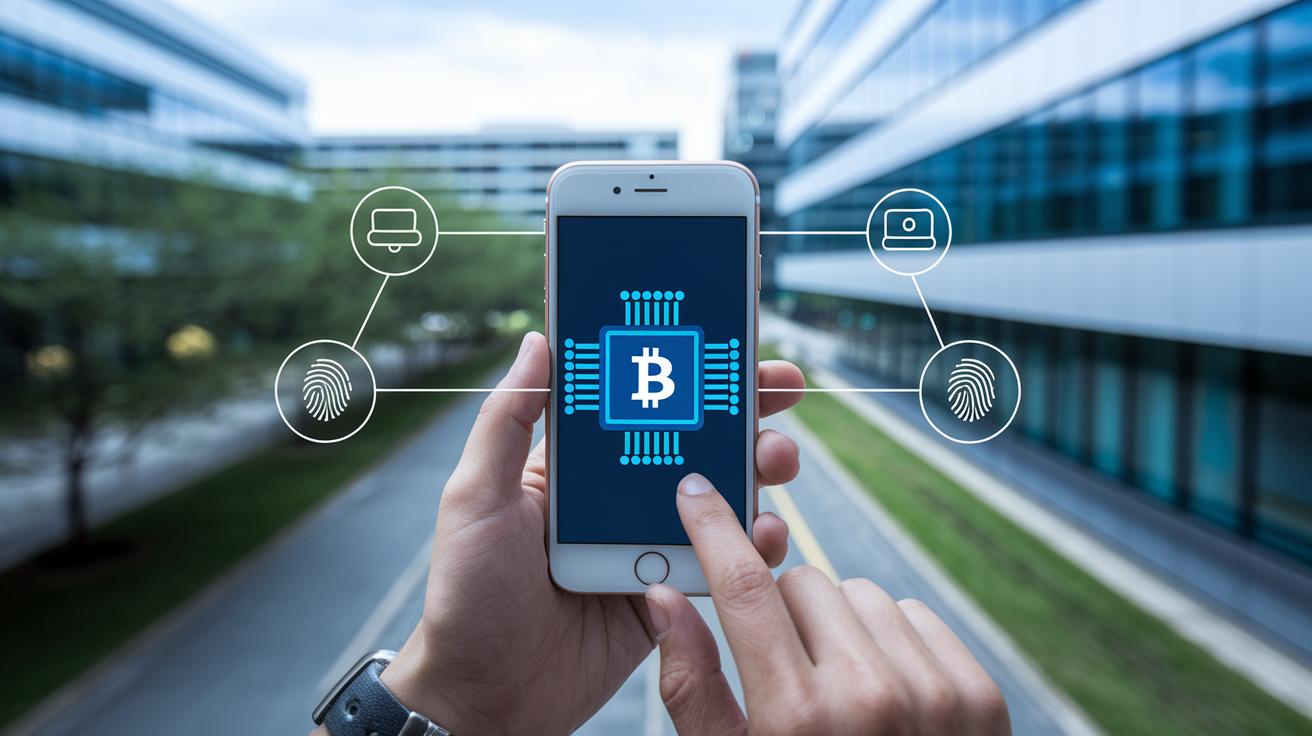
Decentralized wallets let you control your crypto without a central authority. They start with a 24-word recovery phrase that creates your private key, which stays encrypted the whole time. When you send money or use a blockchain app, your device signs the transaction locally using secure hardware or trusted software. This means your sensitive data never leaves your device, making it tougher for attackers to get to it.
Multi-signature adds more safety by requiring several approvals before a transaction goes through. Extra steps like two-factor authentication and biometric checks further lock down your wallet. Regular security audits make sure the system stays strong against new risks. Together, these measures give you full control over your digital assets while cutting down on common security issues seen in centralized systems.
- Seed phrase generation and storage
- Local transaction signing
- End-to-end encryption of keys
- Multi-signature approval flows
- Hardware wallet offline protection
Decentralized Wallet vs. Centralized Wallet: A Comparison
TL;DR: If you want full control over your funds, choose a decentralized wallet. If you prefer ease of use and direct support, a centralized wallet might work better, but expect extra risks.
Decentralized wallets let you manage your private keys so you control your funds. This gives you more privacy and reduces the risk of a single point of failure. However, you must learn how to manage your own security, and support usually comes from community resources and online guides.
Centralized wallets keep your keys for you. This means you get a simple, plug-and-play experience with dedicated support, but you also take on higher risks like potential hacks and more regulations.
| Feature | Decentralized Wallet | Centralized Wallet |
|---|---|---|
| Key Control | You hold your keys | Provider holds keys |
| Privacy | Pseudonymous | KYC required |
| Security Risk | Less chance of one failure | Higher hack risk |
| Customer Support | Community help and documents | Dedicated service |
| Ease of Use | Steeper learning curve | User-friendly |
In short, choose a decentralized wallet if you value control and privacy and are ready to handle your own security. Pick a centralized wallet if you need a simple, supported solution and are okay with a bit more risk.
3 decentralized wallet wins for crypto users
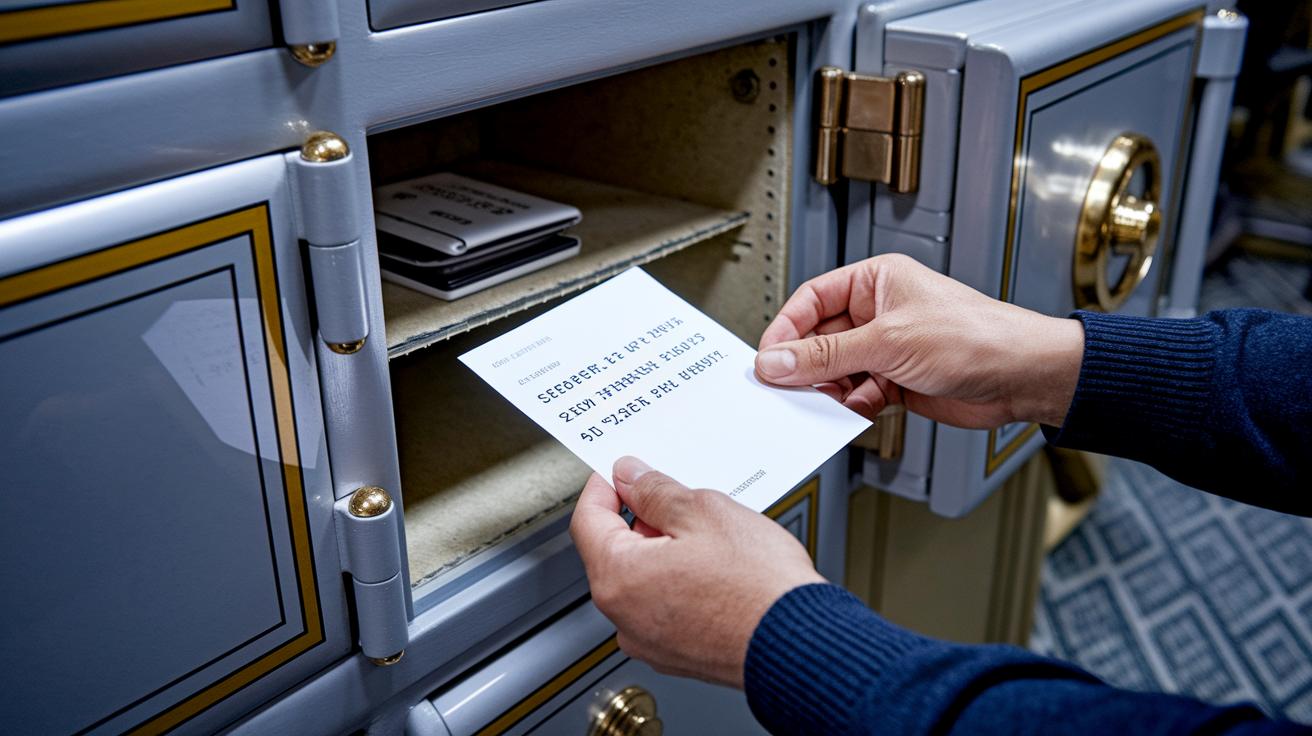
Start by backing up your digital keys. Write down your 24-word recovery phrase on paper and store it in a secure place, like a safe or a fireproof drawer. This simple act keeps your keys off the internet and lowers the risk of digital theft.
Boost your security by using hardware wallets. Devices such as Ledger Nano X or Trezor keep your private keys offline and add an extra layer of protection, especially when setting up multi-signature solutions for business accounts. Always check wallet addresses carefully before approving any transaction to avoid phishing scams.
Keep your wallet software current by installing timely updates and doing regular security checks. Make it a monthly habit to look for patches and run trusted audits. This proactive approach helps protect your funds against new vulnerabilities and keeps your defenses strong.
Leveraging Multi-Chain Support and dApp Integration in Decentralized Wallets
TL;DR: Use one wallet to manage multiple blockchains, swap tokens, and access dApps with ease.
Today’s wallets let you manage cryptocurrencies on chains like Ethereum, Binance Smart Chain, Polygon, Avalanche, and Solana. This means you can see and control all your assets on one screen. For example, MetaMask lets you switch chains easily with its cross-network RPC setup. Such wallets simplify sending tokens and exploring different crypto markets without the hassle of multiple apps. Features like built-in token swaps and staking save you time by removing the need for separate platforms.
These wallets also include a dApp browser and NFT gallery, turning them into full gateways to Web3. You can access DeFi lending, farming, and NFT marketplaces directly from your wallet. This all-in-one approach makes it simple to use various decentralized apps without switching between platforms. In short, you can manage tokens and try out new financial opportunities in one secure, user-controlled space.
Emerging Trends and Innovations in Decentralized Wallet Technology
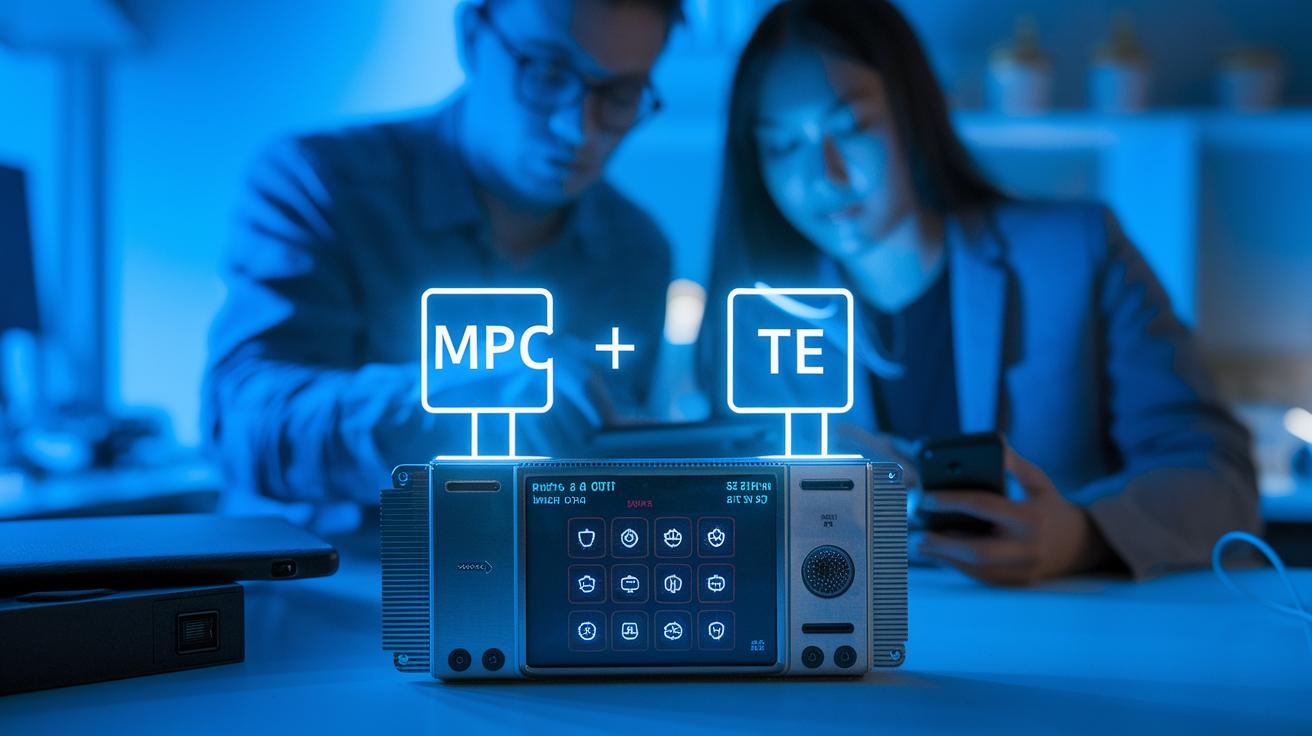
Crypto wallet security is getting a major upgrade. New methods like Multiparty Computation (MPC, which lets several parties compute data safely) and Trusted Execution Environments (TEE, secure areas within devices) make it possible to store assets using several systems at once. Wallet policy engines now automatically enforce compliance rules without slowing you down. Plus, options like social recovery and Shamir's Secret Sharing (a way to split and protect a secret) let you recover your keys if you lose your recovery phrase. Fun fact: Early wallet systems lacked these advanced features, leaving users at risk.
Open-source projects and regular community audits keep innovation moving. Developers are teaming up to build simple, non-custodial systems that let you work across different blockchains with ease. This collaborative effort brings improved compliance tools and built-in recovery options into play fast, much like regular software updates keep your device secure. Together, these steps are setting a new standard for decentralized wallets in today’s fast-paced crypto world.
Final Words
In the action, this post broke down the basics of a decentralized wallet, focusing on self-custody, local transaction signing, and end-to-end encryption. It compared hands-on wallet control with third-party oversight. The guide then laid out best practices to secure your crypto and explored multi-chain support with dApp integration. Emerging trends and hardware-backed defenses offer extra peace of mind. Use these clear steps and insights to stay secure, keep control of your keys, and drive smart, confident decisions.
FAQ
What are decentralized crypto wallets?
The decentralized crypto wallets give users full control of their private keys and assets without relying on any central authority, enhancing privacy and reducing the risk of hacks.
Which are the top decentralized wallets and examples?
The top decentralized wallets include options like MetaMask, Trust Wallet, and hardware solutions such as Ledger, all offering secure Web3 connectivity and full self-custody of crypto assets.
Which is the best decentralized wallet?
The best decentralized wallet depends on your needs, as some offer superior Web3 integration while others focus on hardware security and user-friendly designs. Always compare reviews to decide.
What is the best wallet for XRP?
The best wallet for XRP provides dedicated XRP support with strong self-custody features, making it easy to manage XRP securely while keeping your private keys in your control.
Is Coinbase a decentralized wallet?
Coinbase functions as a centralized wallet, meaning it holds your keys on your behalf rather than offering true self-custody, which is the hallmark of decentralized wallet solutions.
How do I use a decentralized wallet?
Using a decentralized wallet involves downloading a trusted app or acquiring a hardware device, setting up your recovery phrase, and signing transactions locally to maintain control over your funds.
What are common discussions about decentralized wallets on Reddit?
Reddit discussions on decentralized wallets share user reviews, setup tips, and troubleshooting advice, helping users understand security features and real-world experiences with different wallet options.
What should I know about decentralized wallet apps and Web3 integration?
Decentralized wallet apps deliver not only complete control over your crypto funds but also seamless integration with dApps and Web3, provided that you securely back up your recovery phrases.
What is a decentralized cold wallet and how is it used?
A decentralized cold wallet stores your private keys offline on hardware devices, offering enhanced protection from online threats while ensuring long-term security for managing crypto assets.
Is Arculus considered a decentralized wallet?
Arculus provides hardware-based key storage with high security, yet it does not deliver the comprehensive self-custody features typical of fully decentralized wallet systems.
tadalafil common name
tadalafil common name
semaglutida comprimido emagrece quantos quilos por semana
semaglutida comprimido emagrece quantos quilos por semana
increase propecia dosage
increase propecia dosage
doxycycline hyclate feeling tired
doxycycline hyclate feeling tired
bupropion in urdu
bupropion in urdu
ketorolac tromethamine medical info
ketorolac tromethamine medical info
ivermectin for papulopustular rosacea
ivermectin for papulopustular rosacea
minoxidil scientific evidence
minoxidil scientific evidence
avanafil mechanism breakdown
avanafil mechanism breakdown
vardenafil vs sildenafil comparison details
vardenafil vs sildenafil comparison details
medical safety review
medical safety review
otitis media middle ear infection
otitis media middle ear infection
Sildenafil Onset Information
Sildenafil Onset Information
Food and PK Concepts
Food and PK Concepts
Sildenafil vs Avanafil Rapid Onset
Sildenafil vs Avanafil Rapid Onset