



TL;DR: Combine national markets to boost efficiency and unlock growth.
Think of several small shops coming together to create a lively market. When countries remove trade barriers, they allow companies to pool resources and cut costs. This process drives efficiency and fosters growth. In this piece, we show you how linking markets can build a stronger economic community and create new opportunities.
5 Market Integration Sparks Economic Unity
Market integration brings companies together into one connected network. Firms share resources and work through common processes to achieve better marketing efficiency. Imagine a small town where separate shops slowly group into one lively marketplace, each vendor benefits from the collective energy.
On a global scale, market integration combines different national economies into a single large market. When trade barriers drop and rules ease, products and services move smoothly across borders. Think back to when a product from one country was hard to sell in another within hours; today's digital world makes that possible.
This merging of businesses means companies can cut costs and boost market share by pooling resources and eliminating duplicate efforts. Lower tariffs and less regulation act like a community event that brings everyone together, strengthening the overall economy.
Key Types of Market Integration
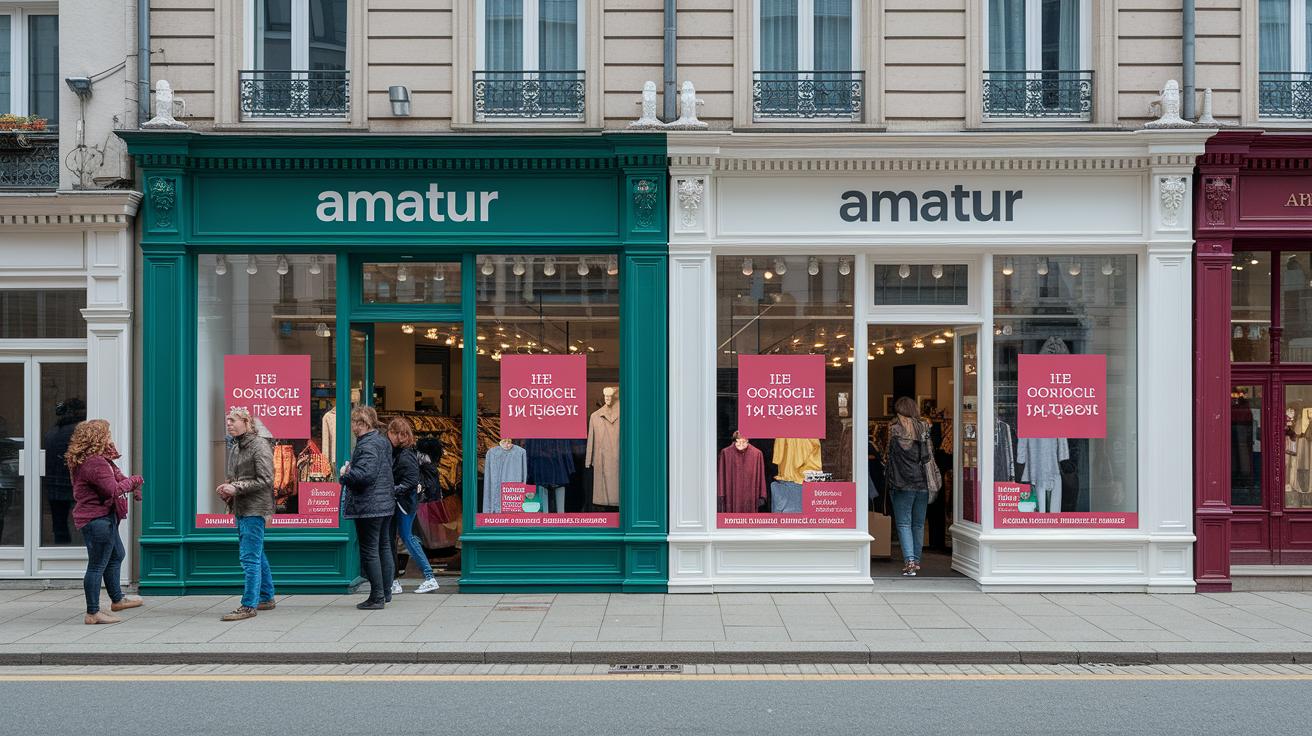
Horizontal integration means companies working at the same stage join forces. For example, when two local retail chains merge, they combine their customer bases and share marketing tools. This helps reduce duplicate tasks and makes operations run smoother. Think of it as neighborhood stores teaming up to become stronger.
Vertical integration happens when a company expands through different steps of the production process. A common case is a clothing maker buying a fabric supplier to control costs and quality. This method shortens the supply chain, cuts delays, and makes sure the product stays consistent from start to finish.
| Type | Description | Key Benefit |
|---|---|---|
| Horizontal | Companies join forces at the same stage to expand their reach. | Stronger market position |
| Vertical | Company branches out across production stages to control resources. | More efficient supply chain |
• Horizontal integration boosts efficiency by merging similar firms.
• Vertical integration streamlines the process from raw materials to finished goods.
Each method has its own goal. Horizontal integration focuses on capturing more market share while vertical integration centralizes control to improve every step of production.
Historical Evolution of Market Integration
Market integration did not develop instantly. It began in small local markets, much like independent shops in a town. Over time, these separate centers started to link together, creating a network of trade. Think of it like a town square where different vendors set up stalls to sell their goods.
In the early days, local bazaars had a limited reach. As trade in goods, services, capital (money used for investments), and labor grew, these markets evolved into national systems that shared resources more broadly. Picture how, long ago, communities traded only with nearby neighbors, much like a farmer selling produce at a local fair. This shift marked the move from isolated transactions to more connected markets.
The change happened in stages. Regions began to exchange not only everyday items but also financial instruments and services. Policies that encouraged trade across regions helped build a national system and set the stage for today's global market. Today, local bazaars have transformed into a unified global marketplace, with trade expanding and crossing borders every day.
Policy Drivers and Regulatory Factors in Market Integration

Free trade policies and lower tariffs help goods and services move easily across borders. Trade deals work like simple agreements between neighbors, cutting extra costs and smoothing the pathway for international business. For instance, one country reduced tariffs by 10 percentage points and saw import volumes jump by 4% in just one year. This change forces companies to simplify operations and adapt to fresh competitive challenges.
Clear rules and standards set by regulatory frameworks create a steady business environment. These guidelines encourage companies to invest across different markets. Think of it as merging several small shops into one large store to reduce administrative clutter and boost efficiency.
Lawmakers connect local systems with global trade by using trade agreements that clear common roadblocks. Lowering tariff barriers and streamlining customs processes are practical steps that speed up market integration. For this reason, companies should keep an eye on regulatory updates and adjust their strategies accordingly.
Benefits and Challenges of Market Integration
TL;DR: Integration lets companies boost efficiency and market reach but also adds extra rules and coordination hurdles.
Companies use integration to reach more customers and cut out duplicate work. Pooling resources means firms can grab a larger market share while running their operations more smoothly. For example, when companies combine parts of their supply chains, they lower waste and save money, like neighbors sharing tools to cut costs.
Integration often brings smoother production and strengthens a firm’s competitive stance. With fewer overlapping roles, companies can focus on improving product quality and customer service.
However, integration has its challenges. One major issue is dealing with tougher rules when merging different systems or expanding operations. This means companies must spend more time on compliance and aligning their teams. Increased market integration also raises the bar with competitors who are sharpening their moves.
Moreover, unifying operations can drive up coordination costs. Teams that once worked separately now need to sync up, which can be as tricky as setting different clocks to the same time.
| Advantages | Challenges |
|---|---|
| More efficient operations | Tighter regulatory oversight |
| Larger market share | Higher coordination costs |
| Reduced duplicate efforts | Increased competitive pressure |
To get the most out of market integration, companies need a balanced strategy that weighs the clear benefits of efficiency against the potential issues of more complex operations.
Market Integration Case Studies and Examples

China is setting the pace with its plan to merge local markets. This strategy is boosting spending and driving the need for more services. Chinese companies are joining forces across regions to cut extra costs and share valuable insights. Think of local businesses working together on better logistics and advertising. One clear sign of success is their use of data to track consumer habits instantly, which has helped cross-regional trade grow by 15% in major urban centers.
Another strong example is the recycling market. Here, companies see waste not as a burden but as a valuable resource. By collecting and reusing waste materials, firms reduce pollution and create new streams of income. This seamless sharing of resources and information is a prime example of how merging operations can turn challenges into profitable opportunities.
• These examples show how merging different parts of the market can save money and drive growth.
• They prove that working together across regions can turn obstacles into new chances for success.
Strategic Frameworks and Integration Strategies for Businesses
TL;DR: Use a clear digital strategy to connect your operations and stay agile.
Businesses can boost efficiency by linking everyday actions to real-time data. One way is forward integration. This means bringing your processes closer to the customer. For example, a manufacturer might open its own stores to get direct insights from buyers.
Another approach is backward integration, which involves buying suppliers to control quality and lower costs.
A digital-first strategy ties together live data, technical analysis, and economic updates. Imagine getting an alert when inventory levels drop so you can shake up production right away.
Follow these steps for a smooth integration process:
This structured approach not only ramps up efficiency but also builds resilience against market changes. By keeping your operations aligned and data-driven, you create a more responsive and successful business.
Emerging Trends and Future Outlook in Market Integration

TL;DR: Embrace advanced technology and green practices to stay competitive.
Market integration is stepping into a new era powered by modern technology and a focus on sustainability. Companies are now combining classic systems with digital tools to improve performance. For example, a business might add IoT connectivity (devices that link everyday objects online) to connect its logistics and production lines. One small manufacturer even cut downtime by 20% with this simple move.
Green bonds and reuse sectors are also changing how resources are valued. These markets blend environmental responsibility with smart business, letting companies tap into new growth while reducing waste. Digital upgrades cut costs and boost transparency and data accuracy across supply chains.
Today, connected systems tie operations together across various stages and borders. This means quicker, more precise decisions and a seamless integration of technology with eco-friendly practices. In short, merging innovation with sustainability is set to boost competitive strength and build lasting resilience.
Final Words
In the action, we explored market integration from its basic concept to its evolving global impact. We outlined how firms consolidate at various production stages and traced the history from isolated markets to a unified global marketplace.
We also examined policy drivers, real-world examples, and strategic integration approaches. This deep dive highlights the practical benefits and challenges businesses face today. The insights provided offer clear, actionable steps to stay ahead in market integration. Stay positive and ready to act on emerging trends.
FAQ
Q: What are some market integration examples?
A: Market integration examples include China’s unified domestic market strategy, where efforts boost consumption and services, and instances like regional recycling systems where waste becomes a commodity across areas.
Q: What are the types of market integration and what are the three types?
A: The types of market integration include horizontal integration (companies at the same production stage), vertical integration (firms across different stages), and conglomerate integration (mergers across unrelated industries).
Q: What does market integration in economics mean?
A: Market integration in economics means the merging of separate markets into a more unified system with reduced barriers, allowing for smoother trade, investment, and resource allocation among firms.
Q: What resources are available in a market integration PDF or PPT?
A: Market integration PDFs and PPTs provide clear visual guides and detailed explanations on theory, policy drivers, examples, and strategies to improve efficiency and cross-border market unification.
Q: What is horizontal market integration?
A: Horizontal market integration specifically focuses on consolidating firms operating at the same stage of production to increase market share and boost operational efficiency.
Q: What is included in a market integration package or market integration and supervision package?
A: A market integration package typically includes analytical tools, policy frameworks, and supervision measures designed to help businesses and regulators understand and manage market consolidation processes effectively.