

TL;DR: Global markets let you invest beyond your home base with simple, modern tools.
Ever thought about sending your money worldwide? International capital markets mix familiar trading with new tech to open fresh doors in sustainable finance and fintech. Imagine your regular trades teaming up with green finance trends in real time, giving investors a chance to work on a global scale. Recent policy updates and key meetings show how these platforms shape risk and reward. In this post, we break down how world-spanning trading tools bring local know-how together with international capital, paving new paths for investors everywhere.
A Comprehensive Overview of International Capital Markets
International capital markets bring together many trading platforms, repo deals, sustainable finance projects, asset management solutions, and cutting-edge fintech. These systems let investors access a wide variety of opportunities around the world.
TL;DR: Traditional trading meets modern digital tools, making real-time transactions and creative financial solutions a reality. For example, many investors only recently discovered that green finance trends are already shaping trading practices, opening doors to eco-friendly investments.
Recent events continue to play a key role. The 58th ICMA Annual General Meeting & Conference in London is set for May 27–29, 2026. This event will focus on market practices and regulations, showing how global integration benefits both investors and institutions.
A recent ICMA Quarterly Report for Q1 2026 highlights the growing importance of sustainable finance. In response, policymakers and market players are updating strategies to meet tougher rules and address environmental priorities.
Strong frameworks, new trading technologies, and worldwide policy talks are driving change in international capital markets. Together, they create a stable yet evolving environment filled with fresh opportunities across asset classes.
Instrument Types and Cross-Border Investment Mechanisms in International Capital Markets

The global market lets you trade many instruments like Forex, commodities, indices, bonds, cryptocurrencies, shares, and futures. Brokers handle over $2.05 trillion in trade value and about 3.6 million trades every day. This shows how big cross-border investing is and why global bonds and overseas stocks are booming.
Key instruments include sovereign debt, Eurobond markets, corporate bonds, and green bonds. These tools let investors deploy cash across borders to meet different financing needs. For example, a firm once used international corporate bonds to lower costs compared to local funding options. This approach helps boost your portfolio while managing risk.
Cross-border investments make it easy to tap into markets outside your home country. They keep funds moving smoothly and offer choices that match different risk levels and time frames. Whether you choose solid sovereign bonds or try innovative foreign direct investments, these options can help you build a balanced and liquid portfolio.
Regulatory Frameworks Influencing International Capital Markets
Global capital markets follow clear international rules that protect investors and keep practices fair. The ICMA Quarterly Report reviews these regulations and outlines sustainable finance guidelines for bond issuance. It serves as a practical roadmap for companies to comply with global standards while reinforcing investor protection.
A dedicated market practices committee has set up standard procedures for cross-border securities offerings. Think of it like following a recipe: every step matters to prevent errors, such as mispricing on sovereign or corporate bonds. Key frameworks like Basel III (global banking rules) and MiFID II (European financial standards) guide these efforts by imposing clear rules on borrowing, risk management, and transparency.
Regulatory review processes constantly monitor both established and emerging markets. They tackle cross-border challenges by updating procedures to fit new market conditions. This flexible approach allows rules to adapt to innovation while maintaining strong oversight, helping to keep international capital markets stable and fuel global progress.
Institutions and Trading Infrastructure in International Capital Markets
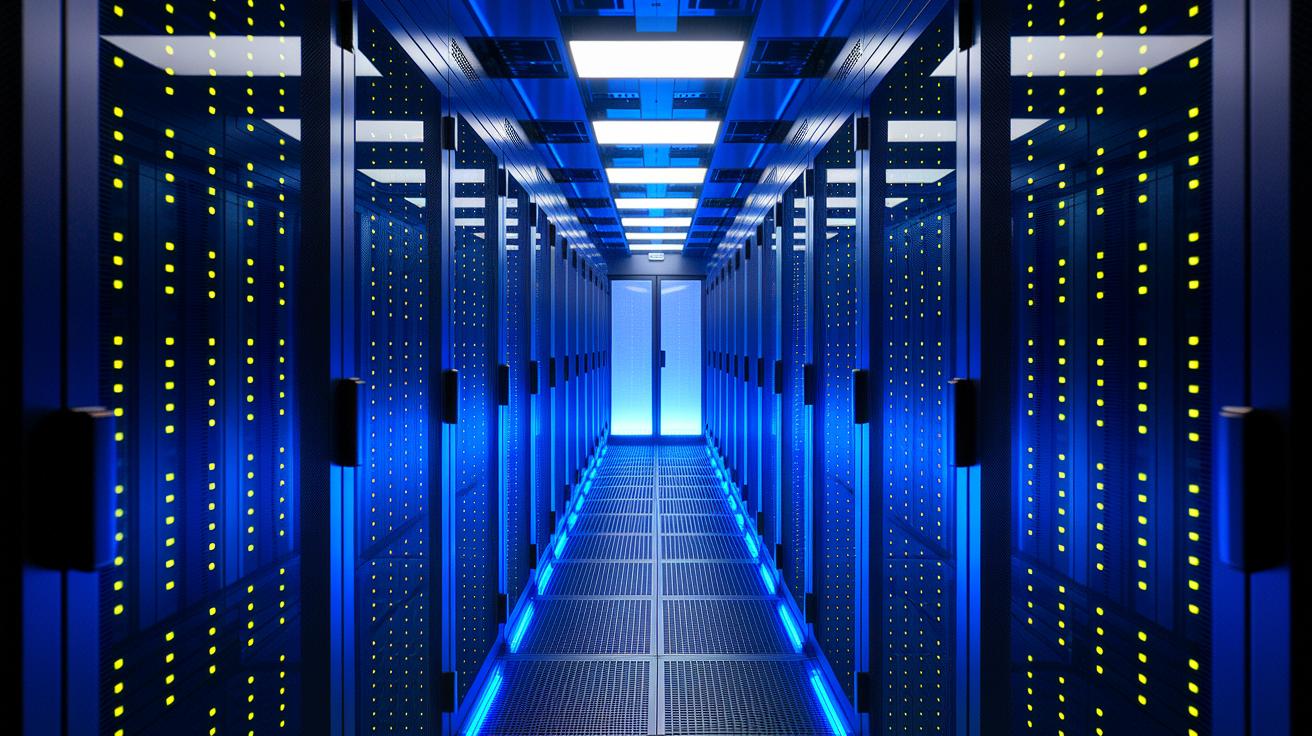
Global finance networks shape how capital markets work around the world. At their core, these systems use advanced data-center technology to power institutional brokers. For example, one broker runs its order-matching engine at the New York Equinix NY4 data center and keeps execution speeds under 40 milliseconds. This quick processing is key, especially since over 66% of 3.6 million trades each day happen through automated systems.
Major brokerage services link big exchanges such as the NYSE, LSE, HKEX, and Euronext with offshore hubs in locations like the Cayman Islands and Luxembourg. This global network ensures there is plenty of liquidity, and trades are available around the clock. An order placed on a shared trading platform can move through several electronic channels, letting investors tap into both established and emerging markets.
Solid data-center technology and robust brokerage systems lay the foundation for modern trading. They give institutions real-time access to a wide range of financial instruments, meeting the needs of investors everywhere. These platforms not only close regional gaps but also bring together global liquidity providers, letting investors enjoy more market integration and smoother transactions.
Sustainable Finance and Digital Innovations in International Capital Markets
Sustainable finance and digital innovations are changing how companies raise and manage funds across the globe. Recent ICMA events showcased these trends, including sustainable bonds and the use of AI in debt markets. One session highlighted how AI-powered tools can cut bond pricing time in half, showing the real impact of these tech advances.
Digital tools are streamlining processes and unlocking new ways to finance projects. The FinTech Directories now feature the latest in blockchain settlement, digital asset trading, and automated risk management. This helps market players quickly handle and allocate resources with greater transparency.
Green bonds and ESG-linked instruments are seeing a surge in issuance volumes. This boost reflects investors’ growing demand for sustainable finance options. By bridging technology and traditional funding, market participants can tap into a wider range of opportunities and invest in environmentally responsible projects, all while managing costs more effectively.
By embracing these digital solutions, investors can access real-time data and make faster trades. The blend of sustainable finance with digital tools is paving the way for smarter market access and global success.
Regional Comparisons in International Capital Markets

When you compare market growth in different regions, clear patterns show up. African markets are booming. For example, the LMA & ICMA Annual Africa Summit in Cape Town on Feb 25-26, 2026 highlights hard work to boost money flow into emerging markets and improve cross-border funding. Local leaders and investors are focused on building better infrastructure and adapting financing rules for different areas.
In the Middle East, sessions on Saudi Arabia’s repo and securities lending markets show strong movements of capital in regional pools. These events reveal that money flows can change based on local trends. In the Eurozone, investors benefit from steady, well-established practices. Meanwhile, emerging markets in Asia and Africa tend to be more volatile, yet they grow fast. Eurozone strategies rely on long-standing institutions, while emerging markets require quick, flexible tactics.
Data shows that liquidity, or the availability of cash, varies widely. Traditional markets use stable financial systems that support consistent cross-border investments. In contrast, emerging markets offer attractive yields but bring higher risks. Investors often mix their portfolios to balance safe, steady returns with the fast-paced potential of emerging markets.
For investors weighing these differences, finding the right balance of risk and reward is key. Understanding each region’s strategy can help you make smart, informed moves in your capital allocation.
Final Words
In the action, this article surveyed key aspects of international capital markets. It broke down market structure, instrument types, regulatory frameworks, and trading infrastructure.
We also explored sustainable finance, digital innovations, and regional comparisons. Each part offers clear takeaways for making confident market moves.
Keep these insights in mind and stay alert to market developments. Positive steps today can pave the way for effective and timely investment decisions.
FAQ
What is meant by international capital market?
International capital markets refer to global venues where companies and governments raise funds by issuing and trading securities, including both primary (new issues) and secondary (traded issues) markets across borders.
What is an example of an international capital market?
An example includes global equity exchanges like the NYSE and LSE, as well as platforms for Eurobond and cross-border debt issuance used by multinational companies.
Where can I find detailed international capital markets information?
Detailed information is available in PDF reports from financial institutions like the ICMA and in comprehensive summaries on Wikipedia, offering clear insights into market trends and regulatory updates.
What is the International Capital Market Association?
The International Capital Market Association (ICMA) sets guidelines, promotes best practices, and hosts events to improve transparency and efficiency in the global financial markets.
What is International Capital Markets Pty Ltd?
International Capital Markets Pty Ltd is a firm that provides financial services focused on capital raising and investment solutions in international markets, helping clients navigate global finance.
What is the International Capital Markets Conference?
The International Capital Markets Conference is a meeting of industry leaders discussing market practices, regulatory changes, and innovations, with sessions sometimes organized by entities such as the FCA.
Is ECM a good career?
A career in Equity Capital Markets (ECM) is rewarding for those with strong analytical and communication skills, offering opportunities to work on complex financial deals in dynamic global markets.
What are the 5 types of capital markets?
The five types typically include primary markets, secondary markets, debt markets, equity markets, and derivative markets, each serving different funding and trading functions in the financial system.