



TL;DR: Use a non-custodial wallet to control your crypto.
Ever wonder if your crypto is truly secure when someone else holds it? Imagine keeping your money in a vault that only you can open. A non-custodial wallet gives you full control over your funds, just like storing cash in your own safe. With support for over 100 assets, such as Bitcoin (BTC) and Ethereum (ETH), you can swap tokens and manage NFTs without the risks from third parties. Taking charge of your crypto means you lead your financial future with confidence.
Defining Non-Custodial Wallets: User-Controlled Crypto Repositories
TL;DR: Use a non-custodial wallet to keep control of your crypto by managing your private keys yourself.
Non-custodial wallets let you store your private keys on your own device. These keys unlock your crypto assets stored on the blockchain network, which means you hold the key to your funds, just like keeping cash safe in your own personal safe.
Before digital banking, many kept cash under their mattresses to stay in control. This same self-reliance is what non-custodial wallets deliver.
These wallets work perfectly for direct token swaps on decentralized exchanges, managing NFTs, or even providing liquidity. They support over 100 digital assets, including Bitcoin (BTC) and Ethereum (ETH). You can also set up flexible savings with daily payouts, fixed-term investments lasting up to 12 months, or dual investment strategies, all in one place.
Non-custodial solutions also offer zero-interest credits, perpetual futures (contracts with no expiration), and spending cards that give you interest and cashback. This approach is great if you want real financial independence and to avoid risks from centralized hacks or system downtimes.
How Non-Custodial Wallets Work: Private Keys, Seed Phrases, and Blockchain Interfaces
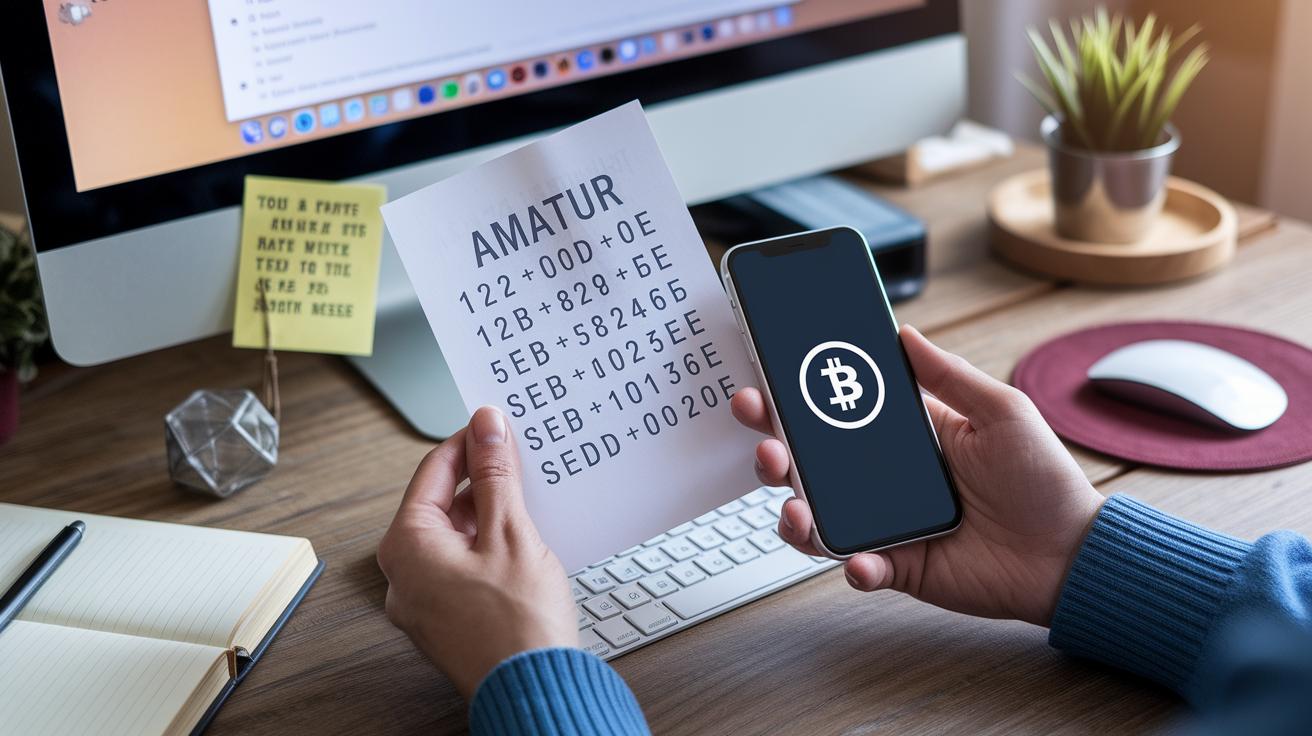
Non-custodial wallets put you in charge. They save your secret keys (private keys) on your own device so that no exchange or third party can access your funds. The wallet creates a pair of keys from a seed phrase made up of 12 to 24 simple words. Always write down your 12-word phrase on paper as a backup to unlock your digital assets.
Once your wallet is ready, every transaction is signed on your device. This means your private key stays with you at all times. After signing, the transaction is sent to the blockchain network for verification, keeping the process secure without any middlemen. This method helps you maintain full digital control and enhances cryptocurrency security.
Some wallets offer a mix of control by splitting key ownership between you and a trusted service. This setup gives you a safety net if you lose your keys, though it does change your level of independence a bit. Even with this shared approach, your funds are protected with strong, layered security measures.
Comparing Non-Custodial vs Custodial Wallets: Control, Convenience, and Risk
Non-custodial wallets give you full control over your crypto. You manage your own keys, which means you control your funds, just like keeping cash in your own safe. The trade-off is that if you lose your keys, you lose access to your funds forever.
Custodial wallets, on the other hand, are managed by a trusted service such as an exchange. They handle your keys for you, which makes them easier to use. This design is great for beginners, even though it means you give up direct control over your assets.
Semi-custodial wallets split the key control between you and a service provider. This way, if you misplace some key information, there are recovery options available. They offer a middle ground by combining convenience with a level of personal control.
Ultimately, your choice depends on your comfort with managing cryptography and your risk tolerance. Beginners often favor custodial wallets for their simplicity, while those seeking full independence lean toward non-custodial options.
Exploring Hot and Cold Non-Custodial Wallet Options
Non-custodial wallets come in two main types: hot wallets and cold wallets. Hot wallets are software-based and need an internet connection. They let you quickly access DeFi platforms, swap tokens, or manage your NFTs. For example, MetaMask is a well-known tool for Ethereum users that allows instant token swaps. Bitcoin fans might use Electrum, while Solana users can turn to Phantom. Other hot wallets include Trust Wallet, which supports over 35 chains; MyEtherWallet, a favorite for Ethereum veterans; Atomic, which works with several chains; Coinomi, which covers more than 125 networks; Exodus, which offers a user-friendly design; and Coinbase Wallet, which links seamlessly to a centralized exchange.
Cold wallets, on the other hand, store your keys offline and greatly reduce online attack risks. These hardware devices are ideal for holding your crypto safely for the long term. Examples include Trezor Safe 3 and Safe 5, Ledger Nano S Plus and Nano X, and the Cypherock X1. You also have options like the Tangem wallet, a card-based wallet that uses NFC (near-field communication) for tap-and-go access while keeping your keys offline.
| Wallet Name | Type | Key Feature |
|---|---|---|
| MetaMask | Hot | Easy token swaps on Ethereum |
| Trust Wallet | Hot | Supports multiple chains |
| Exodus | Hot | User-friendly design |
| Ledger Nano S Plus | Hardware | Secure multi-asset storage |
| Trezor Safe 3 | Hardware | Advanced multisig features |
| Tangem Wallet | Hardware (NFC Card) | Tap-and-use convenience |
Each wallet type has its own strengths. Hot wallets are great for everyday use, while cold wallets provide extra security for long-term holdings. Choose the one that best fits your needs and risk comfort.
Setting Up Your Non-Custodial Wallet: A Step-by-Step Guide
Getting your own self-custody wallet is free and puts you in complete control of your crypto funds. It’s safe and simple when you follow clear steps. First, choose a wallet that fits your needs. If you make frequent transactions, a hot wallet works well. For long-term storage, a cold hardware option is ideal. Once you’ve picked a wallet, setting it up or unboxing the hardware is quick and easy. This guide shows you how to set up your wallet, save your recovery phrase securely, and make your first crypto transfer with confidence.
Your wallet will create a 12-word recovery phrase. Write these 12 words down on paper and keep them in a secure, separate spot like a fireproof safe. You can add extra layers of protection, options include multisig (a system that needs more than one approval) or additional password encryption. When you feel your wallet is secure, move funds from your current wallet to the new self-custody address. It’s wise to start with a small transaction until you’re sure everything works as expected.
Follow these setup steps:
- Choose a non-custodial wallet (either hot for daily use or cold for long-term storage).
- Install the matching smartphone/desktop app or set up your hardware device.
- Create a new wallet and immediately write down your recovery phrase.
- Keep your backup in more than one offline, secure location (for example, in a fireproof safe).
- (Optional) Add extra security features like multisig or password encryption.
- Transfer a small amount of crypto and verify that you receive it.
Take each step carefully. By following this guide, you step into crypto independence with a safe and reliable self-custody wallet.
Managing Risks and Best Practices for Self-Custody

If you lose your private keys, you lose your assets forever unless you have a backup recovery option. Protect your money by following these clear steps: print your 12-word seed phrase and keep it secure in a fireproof safe or locked drawer to fend off digital theft.
Follow these best practices:
- Use hardware wallets or devices that aren’t connected to the internet for large holdings.
- Keep your wallet software and firmware updated to fix known vulnerabilities.
- Store backups on paper or another offline method, avoid digital copies.
- Always download wallet software from official sources to avoid phishing.
Treat your private keys like physical valuables. Your recovery phrase is like your house key, without it, you can’t access your home. Solid key management keeps your crypto safe in a system you control. These practical steps lower your risk of losing keys or suffering unauthorized access. Taking action now can help you avoid expensive mistakes later.
Non Custodial Wallet: Embrace Crypto Independence
TL;DR: Use self-custody wallets for full control over your crypto, featuring easy-to-use tools like tap cards and biometric verification.
Since 2018, more people have chosen to manage their own crypto. They want full ownership as DeFi grows and they gain more options beyond simple key storage. Developers now offer advanced features that help you manage your assets with ease.
One cool tool is the NFC card wallet, such as Tangem. With a simple tap, much like using a debit card, you can unlock and use your crypto funds via near-field communication.
Security is also getting a boost. New biometric keys let you access your wallet with a fingerprint or facial scan. Mobile multisig apps now let several approvals join together to sign a transaction, adding an extra layer of safety.
Wiser open-source frameworks and smart-contract-based multisig vaults are maturing too, giving you robust, decentralized options. Meanwhile, some wallets now combine credit, savings, and DeFi protocols in one interface, making it easier to manage your money in one place.
These exciting advancements are making crypto management more accessible and secure. Enjoy the freedom of self-custody while keeping your assets safe and easy to use.
Final Words
In the action, we explored the benefits and setup of self-controlled crypto storage. The blog outlined how managing private keys and recovery phrases gives you full control over your digital assets. We compared non-custodial and custodial options, examined hot versus cold setups, and offered practical steps to secure your holdings.
This guide empowers you to take charge with a reliable non custodial wallet. Stay proactive and enjoy the peace of mind that comes with self-custody.
FAQ
Q: What is a non-custodial wallet?
A: A non-custodial wallet means you control your private keys yourself. This setup gives you sole access to your crypto so no third party can retrieve or manage your funds.
Q: What is the best non-custodial wallet?
A: The best non-custodial wallet offers secure key management, ease of use, and support for multiple assets. Many users favor options like Trust Wallet and Ledger for balancing security with functionality.
Q: What are some examples of non-custodial wallets?
A: Common examples include Trust Wallet, Phantom, BlueWallet, Coinomi, Guarda, and even hardware options like Ledger. These give full control of your keys for both day-to-day and long-term use.
Q: How does Ledger work as a non-custodial wallet?
A: Ledger operates by storing your private keys on an offline hardware device. This method boosts security by keeping keys isolated from online vulnerabilities while letting you manage multiple assets.
Q: Is Kraken a non-custodial wallet?
A: Kraken is not a non-custodial wallet. It holds users’ crypto on their platform, meaning the exchange controls the keys rather than providing full self-custody.
Q: Is Coinbase a non-custodial wallet?
A: Coinbase typically manages your keys, making it a custodial wallet. To gain self-custody, users need to transfer crypto to a wallet where they control the private keys.
Q: Can the IRS see your crypto wallet?
A: The IRS can track crypto transactions if linked to your identity. On-chain records are public, so careful tax reporting and privacy measures remain important when using cryptocurrency.
Q: What discussions exist about non-custodial wallets on Reddit?
A: Reddit hosts active threads where users share tips and experiences with non-custodial wallets. These forums provide insights, troubleshooting advice, and recommendations for different types of wallets.