



TL;DR: With mixed market signals, manage risks carefully to unlock growth opportunities.
Is the stock market a safe haven in uncertain times? Some key indexes are holding strong above breakout levels. Yet, caution is needed as tech sell-offs and rising unemployment weigh in.
Economic reports show lower inflation, which brings some relief. Still, momentum is uneven. Investors who balance risks may find opportunities to grow their portfolio.
Look beyond the short-term turbulence and keep an eye on long-term potential.
Current Stock Market Outlook: Key Indicators & Expert Synopsis
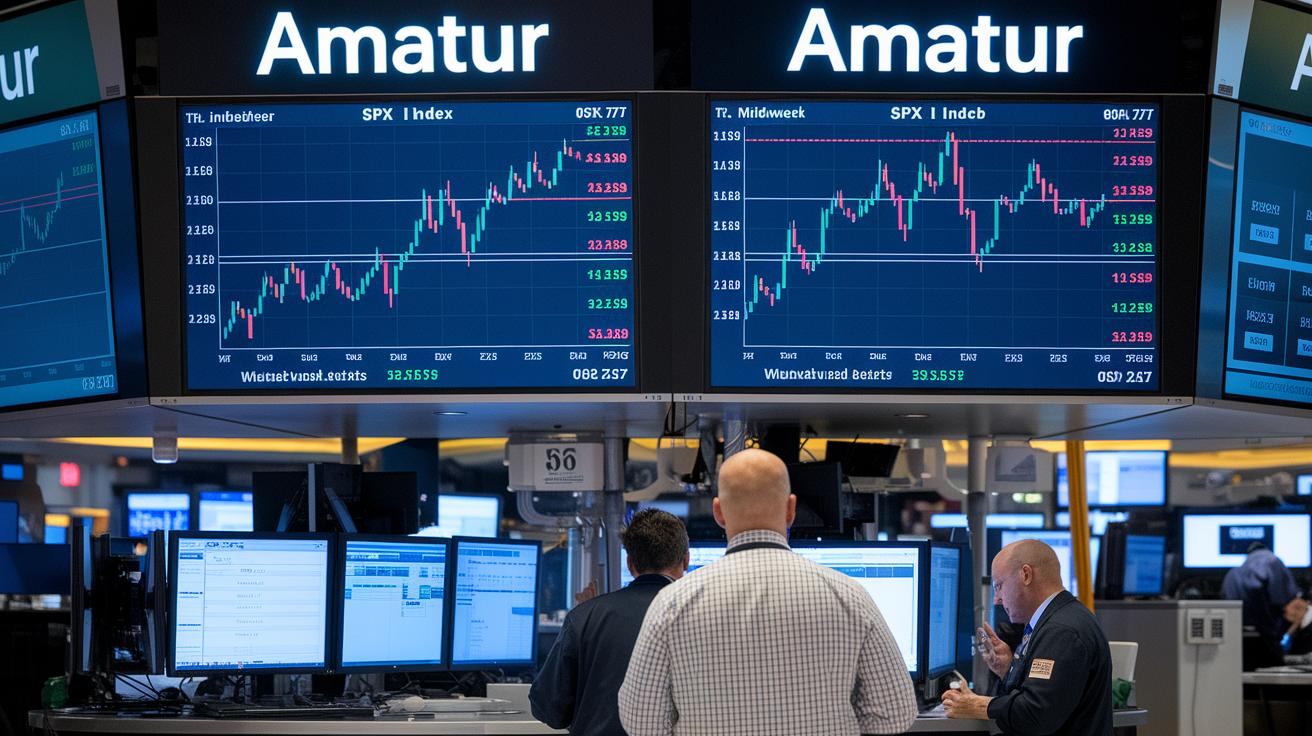
SPXEW has stayed above its breakout point of about 7,785 and has avoided a bearish MACD signal (a tool that shows trend momentum). At the same time, the Russell 2000 remains below its key level of around 2,540, and its MACD looks weak. A midweek sell-off in tech stocks, driven by worries about AI, shows how quickly investor mood can change when new data comes in.
Economic data is shaping today’s view. The annual CPI came in lower than expected, easing some inflation concerns even though U.S. unemployment rose from 4.4% to 4.6%. Micron Technology’s strong quarter boosted blue-chip confidence, suggesting that some companies remain resilient despite overall economic worries. These mixed signals remind investors to balance risks with growth opportunities.
Bank of America’s Bull & Bear Indicator climbed from 7.9 to 8.5. Historically, this move has been followed by an average drop of about 2.4% in the MSCI All-Country World Index over three months, with the worst declines reaching up to 8.5%. Despite these challenges, the market outlook for next week remains a bit bullish. For a deeper dive, check out market outlook today.
Technical Analysis Outlook for Stock Market Momentum
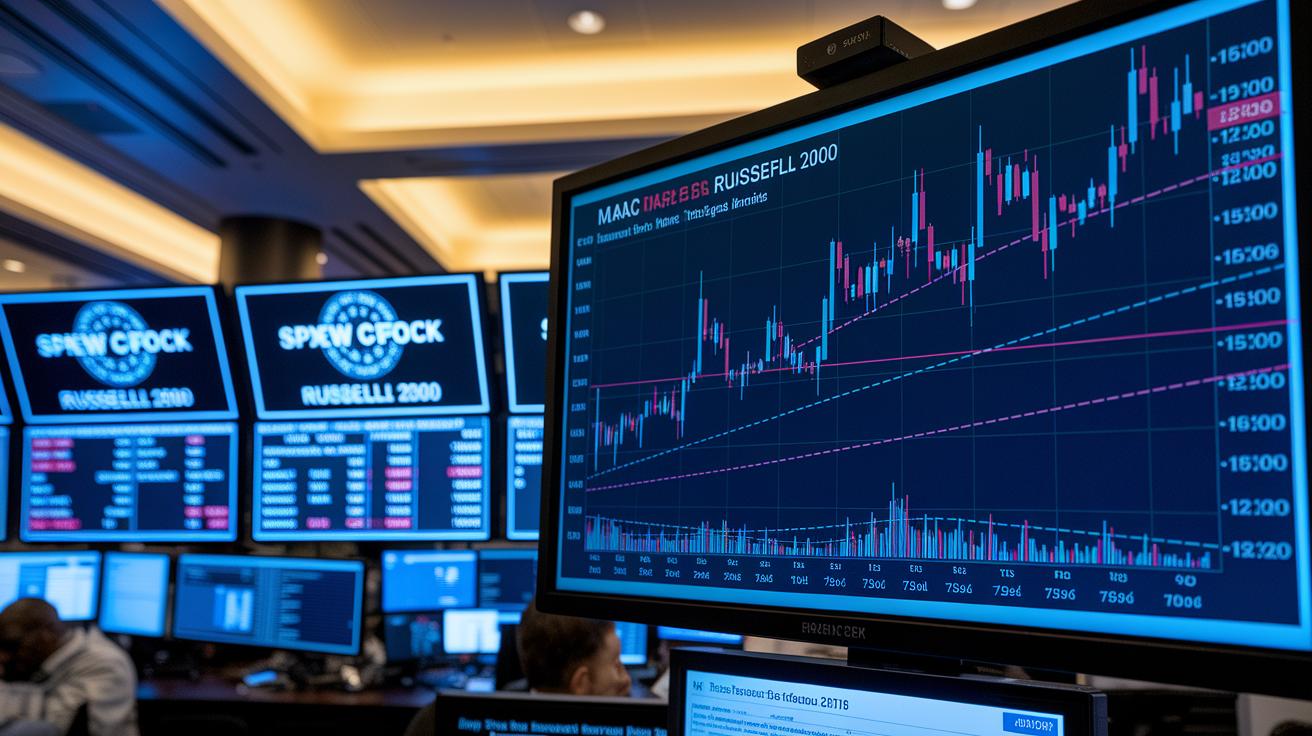
TL;DR: SPXEW is showing strength above its breakout level, while the Russell 2000 looks cautious with a bearish MACD signal.
SPXEW climbed to 7,850, holding steady well above its breakout of 7,785 and steering clear of a bearish MACD crossover. On the flip side, the Russell 2000 is at 2,530, just under its breakout of about 2,540, and carries a bearish MACD hint. Together, these signals suggest mixed momentum in the market.
Traders can use these clues to set clear support and resistance levels for short-term moves. Watching these trends closely might help you find better points for entry and exit as conditions change.
| Index | Breakout Level | Current Level | MACD Signal |
|---|---|---|---|
| SPXEW | 7,785 | 7,850 | Neutral |
| Russell 2000 | 2,540 | 2,530 | Bearish |
Volatility Projection Insights and Risk Appetite in Stock Market Outlook

Next week, the market looks a bit optimistic, but technical signs urge some caution. Shorter trading days for the holiday mean even small moves could feel larger than normal. While some parts of the market seem upbeat, higher U.S. Treasury and global bond yields are pushing borrowing costs up and making investors more careful. Key market measures show a narrowing focus, so it's wise to keep an eye on both long-term trends and short-term swings.
Investor confidence is under pressure. The Bull & Bear Indicator has reached 8.5, a number that has often led to drops in the past. At the same time, market breadth is tight, with the S&P 500 at 62.78%, the Nasdaq Composite at 48.80%, and the Russell 2000 at 65.65%. This mix of signals shows that while some areas may be strong, the overall risk is getting higher.
- Holiday-shortened sessions heighten swing risk
- Rising U.S. Treasury and global bond yields add pressure
- Bull & Bear Indicator at 8.5 signals caution
- Narrower market breadth across key indices
- Mixed technical signals add uncertainty
Economic Cycle Forecast and Key Macro Drivers in the Stock Market Outlook
TL;DR: Inflation is easing, but mixed economic data and policy uncertainty mean caution is key.
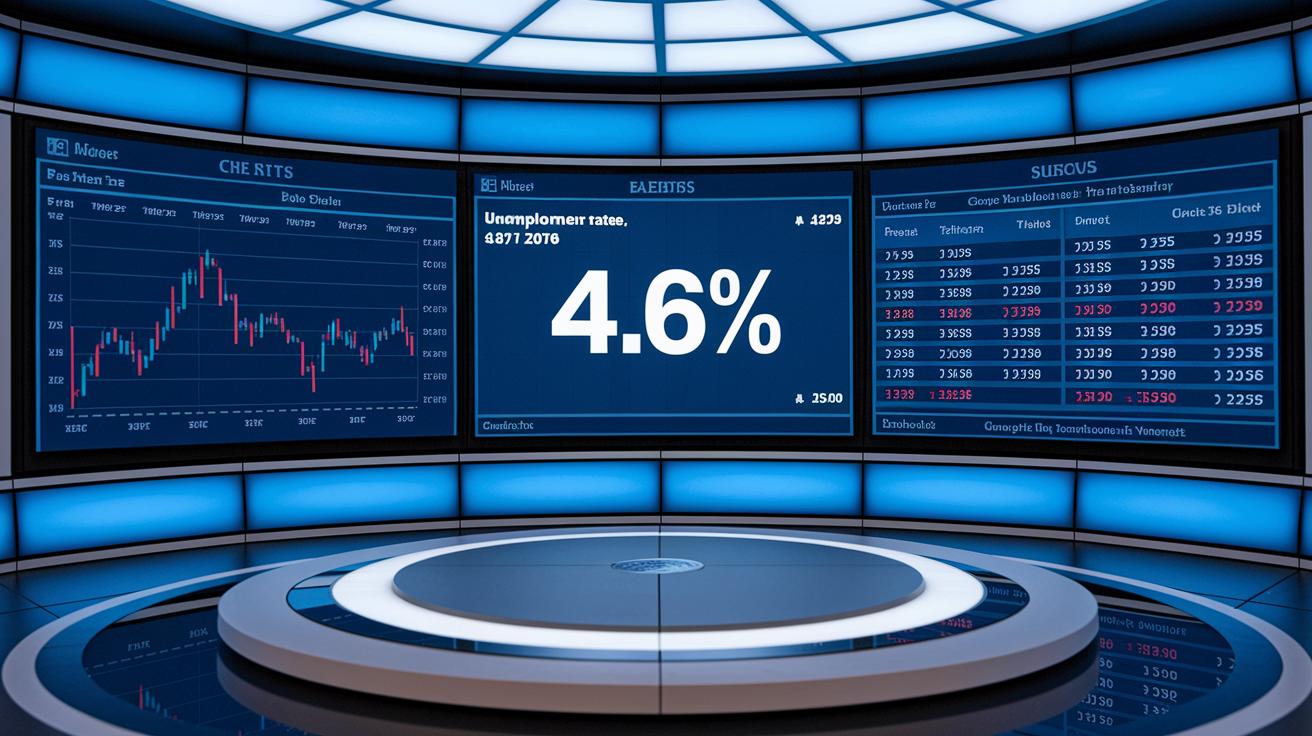
Annual CPI numbers came in lower than expected, easing inflation worries and boosting market mood a bit. However, reports on nonfarm payrolls and retail sales have been all over the place, partly due to data issues from the government shutdown. The unemployment rate ticked up from 4.4% to 4.6%, showing that while jobs remain strong, there are hints of strain in the economy.
On the policy side, the Federal Reserve’s plans for quantitative easing are still unclear. Rising bond yields suggest that investors now expect tighter monetary policy, which could mean higher borrowing costs and less credit support down the road. This mix of soft and shaky data is prompting many to be cautious, even as they search for growth opportunities.
Adding to the complexity are global geopolitical risks that keep markets on edge. With constant shifts in monetary policy and inflation trends, keeping a close eye on new data about consumer spending, employment, and policy moves is crucial. This careful approach can help investors adjust strategies and make smart moves even when short-term challenges linger.
Stock market outlook: Bright Investment Future

Investors are spotting fresh opportunities across many industries as the market shifts. New trends are emerging, especially in tech and alternative assets.
Technology Sector: AI-Powered Volatility and Chipmaker Outlook
Midweek, an AI-driven sell-off dropped tech stocks quickly. Still, Micron Technology (MU) reported strong earnings that boosted confidence in chipmakers. With some investors moving funds into non-tech areas, it pays to watch these shifts as you adjust your portfolio.
Alternative Asset Trends: Blockchain Tokenization Impact
Blockchain is creating new paths in alternative assets. JPMorgan Chase is leading the way by turning real-world assets into digital tokens. So far, more than $30 billion in assets have been tokenized this year. For example, there was a $50 million commercial paper issuance on the Solana blockchain and the launch of the MONY tokenized money market fund on Ethereum. These steps may help you diversify your portfolio while keeping an eye on global market trends.
Seasonal and Cyclical Trend Perspectives in the Stock Market Outlook

TL;DR: Stay cautious. The market shows strong seasonal gains but mixed underlying momentum.
At year-end, many investors watch seasonal trends closely. History tells us that the market can see upward moves as the holidays approach. A Santa Claus rally might kick off as early as next Wednesday, so there’s a chance for smart positions. But be aware: shorter trading days can make price swings bigger, meaning even small events might spark large moves.
Recent data shows that market breadth, the number of stocks in play, has shrunk. This is a warning sign that even strong seasonal trends might hide some risks. The mix of historical strength and caution means traders should balance optimism with a careful watch for volatility.
Cyclical trends further shape investor sentiment. In similar past market cycles, recoveries have often come with better economic news and a boost in investor mood. Even with favorable seasonal signals, the narrow market breadth suggests that overall momentum is uneven. To navigate these conditions, focus on targeted entry points and be ready to adjust your strategy if risks rise.
Portfolio Strategies and Diversification in an Evolving Stock Market Outlook

TL;DR: Keep a flexible asset mix. With mixed technical signals and uncertain data, spread your investments across U.S. stocks, non-tech sectors, and bonds. This setup lets you adjust quickly as market sentiment changes. For example, if a key indicator suggests a 2–4% drop, trim your exposure right away to manage risk.
Mix momentum positions with safe bets. Pair growth assets with defensive ones to cushion against sudden market shifts. This balance helps keep gains during volatile times while still catching upward trends. Regular rebalancing keeps your portfolio steady when conditions change.
Plan for growth by staying alert to real-time cues. Watch economic data and adjust your non-tech investments as sentiment shifts. By selecting positions carefully across different asset classes, you build a resilient portfolio ready for a stronger future.
Final Words
In the action, we broke down market data, technical signals, and economic trends shaping our stock market outlook. We examined index recoveries, momentum indicators, and economic drivers alongside sector shifts and portfolio strategies. The analysis highlights both challenges and opportunities, offering clear steps for adjusting your exposure. Stay proactive as market dynamics evolve and use these insights to guide your investment decisions. Keep a watchful eye on key signals and maintain a balanced approach for long-term success.
FAQ
What are the short-term stock market predictions, like tomorrow or this week?
The stock market predictions for tomorrow and this week indicate near-term movement driven by technical signals and economic data, hinting at modest volatility and cautious optimism.
What does the stock market forecast for the next 3 to 6 months show?
The forecast for the next 3 to 6 months shows a mix of indicators and technical signals, suggesting that market momentum may be uneven as economic data and sentiment shift.
What is the long-term outlook, including predictions for 2025, 2026, and the next 5 years?
The long-term outlook, covering 2025, 2026, and beyond, points to gradual growth amid volatility, with fundamental shifts and evolving policies shaping a path that remains subject to periodic fluctuations.
Should I pull my money out of the stock market?
The decision on whether to exit the market depends on your goals and risk tolerance. It is advisable to assess current market signals and diversify your holdings rather than making a hasty move.
Is a 12% return realistic?
A 12% return is achievable in certain market conditions, but it depends on timing, portfolio allocation, and economic factors. Returns vary, so it is best to set realistic expectations based on your investment strategy.