



TL;DR: Use secondary equity markets to turn shares into cash without waiting for an IPO.
Have you ever wondered why insiders sell their shares before an IPO? Secondary equity markets let founders and early employees quickly turn their shares into cash. This method keeps transactions smooth and shows what shares are really worth without issuing new stock. It’s a modern, smart option that challenges old methods and boosts financial confidence. Learn more to see how this approach can help you control your money and drive your next investment move.
Understanding Secondary Equity Markets: Definition and Key Roles
Secondary equity markets are places where current shareholders trade their shares instead of the company issuing new ones. This lets founders, early employees, and investors quickly turn their holdings into cash without having to wait for an IPO or acquisition.
These markets help private companies manage cash flow while staying private longer. In public markets, trades are made in real time through brokerages while the total number of shares remains the same.
There are two main ways to sell shares here. One method, tender offers, gives shareholders a set time window to sell at a fixed price, benefiting many at once. The other method, direct secondary sales, involves one-on-one deals where buyers and sellers negotiate terms. Though these deals can change the company’s official list of shareholders, they do not bring in new money.
For early employees, secondary equity markets offer a practical way to access cash from vested plans like Enterprise Management Incentives (EMI). Updated information as of 17 April 2024 shows that these markets support liquidity, help discover fair share prices, and add variety to investment portfolios without needing a new stock issue. This approach is a useful alternative for today's varied financial landscape.
Secondary Equity Markets vs. Primary Equity Markets: Key Differences
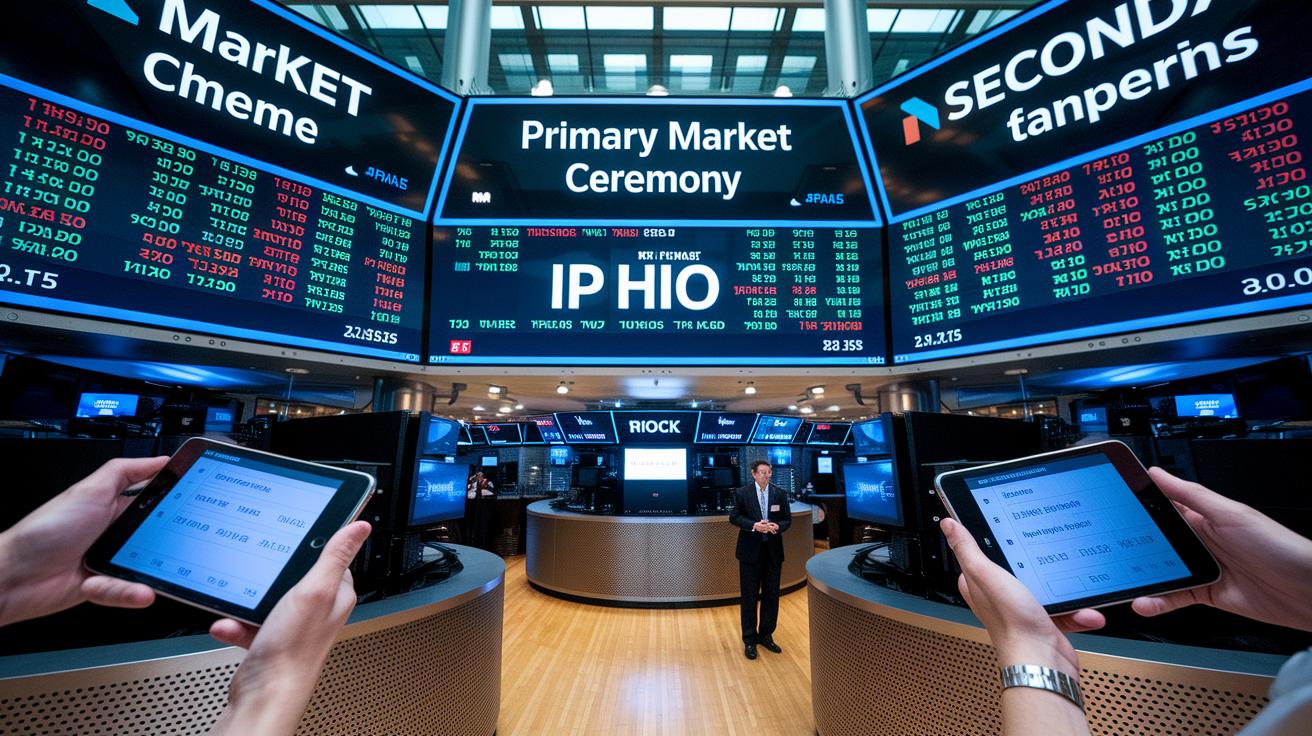
Primary markets let companies issue new shares to raise cash. Investors give money directly during events like IPOs, helping the company grow and fund new projects. In secondary markets, investors trade shares among themselves. The company doesn't see any cash, and the number of shares stays the same, keeping trades fluid and active.
Key differences include:
- Primary markets create new capital. Secondary markets boost liquidity.
- Secondary trades let founders and early backers access cash without waiting for an IPO or sale.
- Private, off-market sales in secondary transactions may have restrictions like Right of First Refusal, which narrows the buyer pool.
- Share prices in secondary markets come from private negotiations, often leading to different valuations than those set during public issuances.
Surprising fact: Early startup employees have turned to secondary sales to access cash from their vested shares long before the company goes public.
Market Structures and Platforms in Secondary Equity Markets
TL;DR: Digital platforms simplify selling private company stock for current shareholders.
Private companies now use online marketplaces such as EquityZen, Forge Global, SharesPost, and Nasdaq Private Market to let shareholders sell their stock quickly and clearly. Sellers list their shares, and accredited investors browse available listings through digital order books that match orders in real time, much like checking out items in a local store.
Intermediaries like broker-dealers, secondary market advisors, and specialized funds play a key role. They help both parties handle legal and regulatory steps. Sometimes, transactions are set up as tender offers (allowing many shareholders to sell at once) or as direct secondary sales where one seller negotiates with a buyer. In these cases, the platform acts as a mediator to ensure every term is clear and properly recorded.
Keep in mind, private share transfers often require extra steps like board approvals or waivers for transfer restrictions (for example, the right of first refusal). While digital tools speed up most parts of the process, some transactions still need manual oversight. These platforms are evolving fast and now link up with global capital markets to bring even more transparency.
Key steps in these market structures:
| Step | Action |
|---|---|
| 1 | Sellers list shares and buyers view listings via digital order books |
| 2 | Bulk transactions through tender offers help many shareholders sell at once |
| 3 | Intermediaries guide legal and regulatory processes |
| 4 | Extra steps like board approvals are managed as needed |
These platforms boost confidence in managing private equity positions and offer greater flexibility in making transactions.
Liquidity and Pricing Mechanisms in Secondary Equity Markets
TL;DR: When IPO lock-ups end, insiders can sell their shares for quick cash. Prices are set at 10-30% below the last primary valuation to encourage buyers while influencing a company’s overall worth.
When lock-up periods finish after an IPO, founders, early investors, and employees can quickly sell their shares. This fast cash access often happens within minutes on public trading platforms. Private deals, however, may take weeks because of extra steps like board approvals and transfer rules.
In these trades, sellers use a discount strategy. They usually offer shares at 10-30% less than the last main valuation. This lower price helps attract buyers by reflecting current market mood, supply-demand balance, and any share transfer restrictions. Think of it like a clearance sale that moves inventory fast.
Pricing factors include:
- Demand and supply: More sellers usually push the discount higher.
- Market mood: Investor confidence can change the discount levels.
- Lock-up timing: When shares become available affects their scarcity.
- Transfer rules: Restrictions such as Right of First Refusal make trades less appealing.
Setting the right price is a balancing act. A fair price attracts buyers quickly and also helps keep the company’s value stable. In both public and private deals, these methods create liquidity and give a clear picture of how the market values the shares.
Regulatory Environment and Risk Management in Secondary Equity Markets
Secondary equity trades follow clear legal rules. Both sellers and buyers sign formal agreements and perform thorough checks to meet securities law. In private transfers, parties often rely on Rule 144 exemptions, secure board approvals, and manage waivers for transfer limits like the Right of First Refusal to keep deals moving smoothly.
In the US, market players must follow SEC guidance for resale exemptions. This adds transparency and confirms that transactions stick to compliance standards. Risk management is crucial since errors can disturb a company’s cap table. Such issues might change voting power or discourage future investments.
Key risks include:
- Disruption of the cap table from improper share transfers.
- Damage to the reputation of both the seller and the company.
- Violation of transfer restrictions that may result in legal challenges or fines.
Sellers and intermediaries usually invest time in careful legal reviews to avoid these problems. By working with specialized advisors, they continuously check the regulatory impact on divestitures and ensure compliance is maintained. This careful approach helps create safer trades and supports market integrity by aligning every step with established securities laws.
Case Studies and Trends in Secondary Equity Markets
On Dec 1, 2025, a unicorn tech tender offer on Nasdaq Private Market hit $200 M in secondary trades. This deal shows how big asset moves are widening cash options for early backers and employees. It also reminds us that smart funding options in secondary markets are on the rise as companies and investors try to balance risk and reward.
On Dec 4, 2025, institutional changes made a big splash too. EquityZen led a $150 M off-market pre-IPO share swap. This move unlocked value and sped up liquidity. It shows the benefits of secondary equity transactions and how specialized platforms can help make these deals work faster.
Data from 2023 shows that private equity secondaries grew 15% year over year. More people are looking for quicker access to cash and new ways to diversify their investments. Early employees have used these secondary programs, often selling about 20% of their vested shares. This helps founders and team members get some cash while still keeping a stake in their companies.
Partnerships between leading banks and digital resale platforms are widening the reach of these secondary equity markets. This teamwork has built better channels to connect sellers with the right buyers. Banks, market advisors, and broker-dealers are joining forces to simplify transactions and ensure they follow the rules.
Key trends include:
- More tender offers that let several shareholders sell at the same time.
- A steady increase in off-market share swaps that give new paths to liquidity.
- Advanced digital trading systems that make pricing and trading simpler.
These case studies and trends show how secondary equity markets are evolving. Practical liquidity solutions and new players are driving progress and creating timely ways to turn assets into cash.
Managing Private Stake Divestment in Secondary Equity Markets
When you sell private stakes, the deals typically happen off-market and come with transfer restrictions. Sellers usually overcome liquidity issues by finding buyers ready to accept a 20% to 40% discount. This discount helps attract a small pool of investors and makes a quick sale possible, but it needs careful pricing to avoid undervaluing the shares.
Key legal steps include securing rights that let you bypass offers from others (ROFR waivers), getting board approval, and completing all legal documents. Taking these steps protects you and keeps the company’s ownership records intact. It can help to work with specialized advisors who guide you through negotiations and paperwork. They also advise on the best timing, especially after major financing events when market conditions are favorable.
Best practices for selling private stakes include:
- Working with expert advisors to manage legal and negotiation processes
- Timing sales after financing rounds for better liquidity
- Using digital order-matching platforms to connect with accredited buyers
Following these steps can help you tackle liquidity challenges and meet legal requirements while making smart divestment decisions.
Final Words
In the action, we broke down secondary equity markets into clear parts, from defining key roles and comparing them to primary markets to examining market structures, liquidity drivers, and legal safeguards. We explored real-world examples, trends, and best practices in private stake divestment. This guide gives you a solid base for making confident, timely decisions in equity resale trading. Stay informed and ready to adjust your strategy as these markets evolve. Keep pushing forward and use these insights to shape smart, flexible moves in secondary equity markets.
FAQ
Q: What is a secondary equity market?
A: A secondary equity market is where investors trade existing shares. It lets shareholders sell stock without the company issuing new shares, which maintains the current capital structure.
Q: Can you give examples of primary and secondary markets?
A: A primary market example is an IPO when a company issues new shares. A secondary market example is trading on Nasdaq or platforms like EquityZen, where previously issued shares change hands.
Q: What is the difference between primary and secondary equity markets?
A: The primary market issues new shares to raise capital, whereas the secondary market trades existing shares between investors, keeping the overall share count unchanged.
Q: What is the primary use of secondary equity markets?
A: The primary use of secondary equity markets is to provide liquidity. They allow investors and employees to sell existing shares, offering cash flow without altering the company’s capital structure.
Q: What are the types of secondary markets?
A: Types of secondary markets include public secondaries, where shares trade on platforms like Nasdaq, and private secondaries, which involve direct sales or structured tender offers among investors.
Q: What does “secondary market Nasdaq” refer to?
A: The term “secondary market Nasdaq” refers to the trading of existing shares on Nasdaq’s platform. It offers real-time liquidity and price transparency for stocks after their initial issuance.
Q: What are secondary market products?
A: Secondary market products include existing shares and equity positions traded between investors. These transactions can take the form of tender offers or direct secondary sales to improve liquidity.
Q: Where can I find a secondary equity markets PDF?
A: You can find a secondary equity markets PDF through financial research websites or market analysis firms that offer downloadable guides covering market dynamics, structures, pricing, and regulatory factors.