



TL;DR: Use real-time news to drive quick, clear trade moves.
Ever wonder if news alone can set you up for profits? In today’s fast market, even a few milliseconds matter. Automated systems now scan key updates, like job figures, inflation numbers, and policy changes, before we even blink. This rapid response turns breaking headlines into actionable trade signals. In this post, you’ll learn how to use live news to trigger timely moves and turn headlines into gains.
Real-Time Application of News-Driven Trading Strategies
TL;DR: Automated systems enable traders to act instantly when big news hits.
Automated systems read news much faster than any person can. They digest vital details like employment numbers, inflation figures, and GDP stats in a flash to uncover pricing gaps. These systems scan fast-breaking data and trigger trades immediately using optimized network paths and servers located near exchange centers.
This method lets traders catch market moves the moment key news is released. Using automated algorithms, these strategies spot opportunities in milliseconds, turning what used to be slow responses into quick, profit-grabbing actions.
Key triggers include:
- CPI releases
- Earnings surprises
- M&A announcements
- Policy statements
- Geopolitical developments
Real-time trading offers a clear edge. Quick news updates become actionable signals. When major reports come out, the ability to execute instant trades can make all the difference between a small win and missing a key opportunity. This precise timing removes delays from manual analysis, ensuring each market-moving event is seized at its best.
Key Signals and Announcement Tactical Approaches in News-Driven Trading Strategies
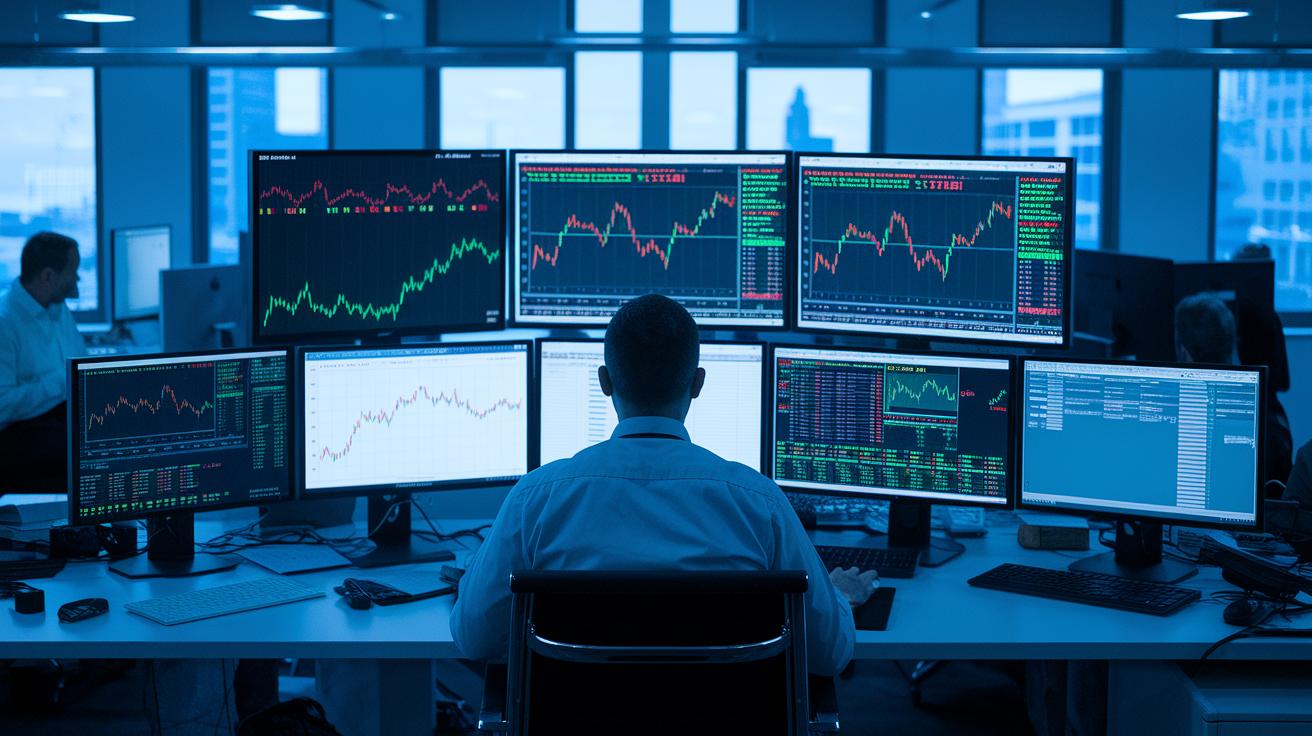
Signal taxonomy is a key tool for news-driven trading. Each type of news call demands a different trading move. When unexpected news hits, you need a quick response. For planned news, a slower, steady move works best. Sorting these signals right lets you set up your system to react exactly when needed.
| Signal Type | Typical Market Reaction | Ideal Reaction Window |
|---|---|---|
| Headline-based Signals | Quick mood shifts and moderate price changes | Within seconds |
| Breaking Event Moves | Sharp, volatile swings from unscheduled news | Milliseconds to seconds |
| Announcement Tactics | Slow price adjustments around scheduled events | Minutes surrounding the event |
| Report-driven Strategies | Ongoing volatility spikes after key releases | Several minutes up to tens of minutes |
| Press Release Opportunities | Immediate, moderate shifts from corporate updates | Seconds to a few minutes |
Pick the signal type that fits your strategy. For example, headline-based signals work best for fast trades, while press release opportunities suit systems with a bit more reaction time. When your tech and risk rules match the right window, you turn news into clear, actionable moves.
Designing Algorithmic Media Filters and Signal-Processing Algorithms for News-Driven Trading Strategies
TL;DR: Automated systems sift through news to spot trade-worthy signals fast.
Automated systems break news into simple signals using natural language processing (NLP). They spot key names (companies, currencies, economic stats) using named entity recognition. This step pinpoints what might move market prices.
Next, the system uses contextual analysis to ignore off-topic chatter, sarcasm, or outdated info. For instance, if a news article says, "Tech giant scores a record quarter," the system picks out the company name and its key performance metric to focus only on fresh, important data.
Then, a dispatch parser ranks each news item by its potential impact. It scores news to decide if it should trigger a trade. Only high-impact news, which is likely to cause strong price moves, makes it through while minor chatter is set aside.
Finally, these refined signals go straight to the execution engine. The signal-processing algorithm turns news sentiment into clear trade orders so that you can act quickly and secure any market advantage.
Integrating Economic Calendars and Macro Data Tactics into News-Driven Trading Strategies
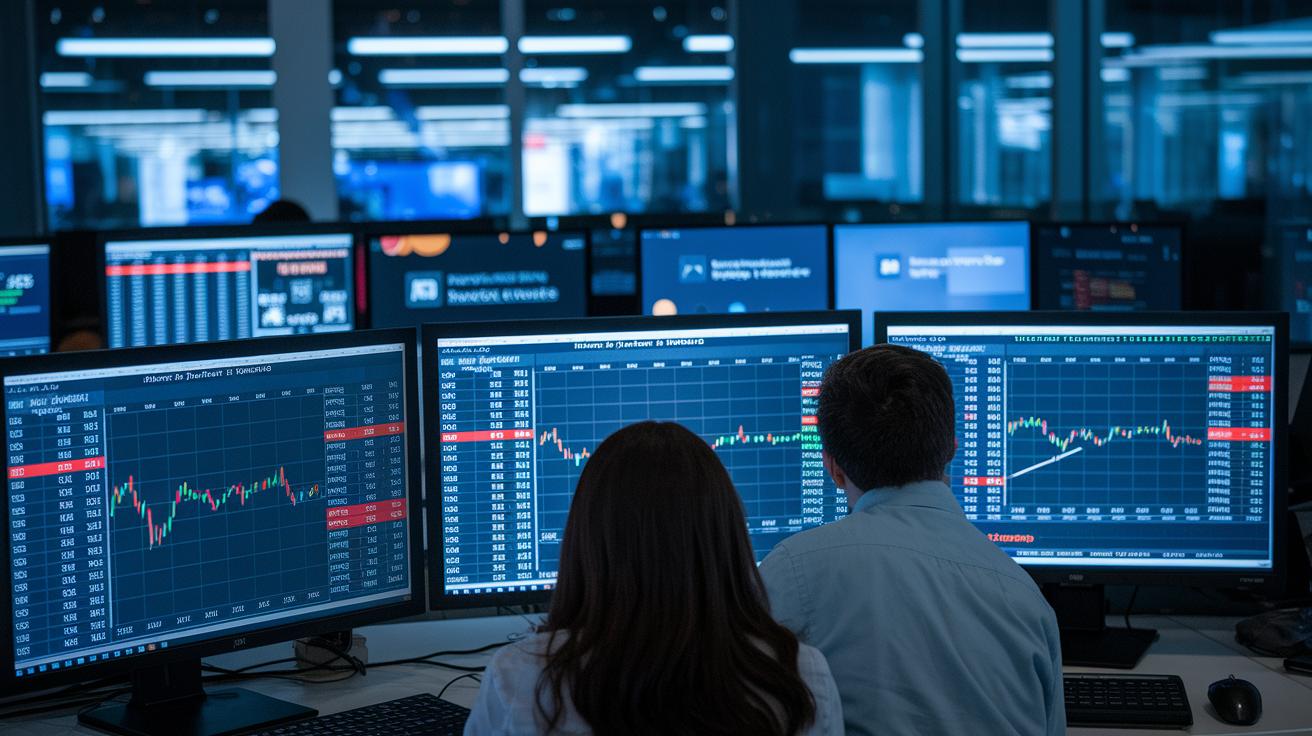
Economic calendars help traders plan ahead by marking the dates and times for key reports. For example, if you know the U.S. CPI will be released at 8:30 a.m. ET, you can trim positions ahead of time to reduce risk during the expected market swings. This careful planning lets you enter the market more confidently once the data is out.
Macro data strategies take this one step further by focusing on core figures like CPI, unemployment, and PMI (purchasing managers' index). When the numbers come in, trading systems quickly compare the results to market expectations, guiding you on whether to buy or sell. This fast, data-driven approach helps you adjust your risk and potentially capture favorable moves as the market reacts.
Infrastructure Essentials for Instantaneous Market Reactions in News-Driven Trading Strategies
TL;DR: Fast trading means no delays. A low-latency setup with servers close to the exchange makes sure your trades keep pace with breaking news.
Real-time trading starts with a strong, low-latency system. Traders use servers placed at the exchange data centers along with direct market access to cut out any delay. This setup makes sure news-driven trades catch market moves as soon as they happen.
Speed matters. Tick-by-tick data feeds paired with ultra-tuned algorithms let systems grab every bit of market data. Advanced routing and lean system designs reduce lag to microseconds, where even a small delay can make a big difference.
Timing is key. By using UDP multicast data feeds, traders achieve decisions in under one millisecond. This precise timing helps lock in gains before the market mood changes, turning fast market signals into clear, actionable trades.
Risk Management Responses and Strategy Calibration for News-Driven Trading Strategies
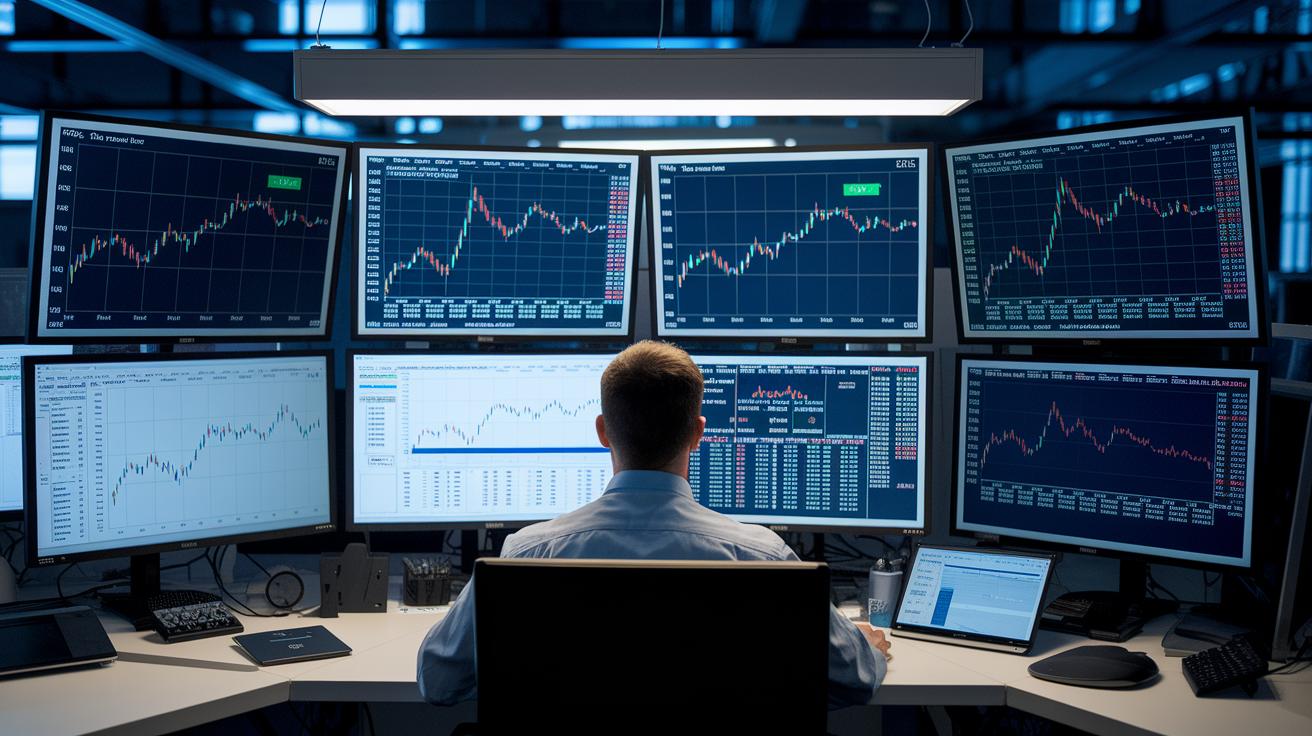
News and economic events can cause sudden, sharp price moves. This volatility makes strong risk management a must during fast trading sessions. When key data is released, investor sentiment can shift quickly, causing big gaps in prices and unpredictable markets. Spotting these trends early means you can set up protections while still seizing quick opportunities.
A core way to manage this is by adjusting your trade size based on the strength of each signal. Using stop-loss and profit-taking rules linked to the average true range (ATR, a measure of market volatility) gives clear points for cutting losses or taking gains. This helps keep your trade sizes in check with the market’s risk.
Real-time adjustments are also key in choppy conditions. If you notice a sudden spike in prices, quick changes can let you lock in gains or limit losses right away. These adjustments happen in seconds, capturing short-term chances without exposing you to too much risk.
Regular reviews and backtesting are important too. By constantly fine-tuning your risk settings like position sizes and stop-loss levels, you keep your strategy in tune with the latest market shifts, strengthening your overall trading edge.
Case Study: Earnings Surprise Evaluation and Post-Release Volatility Exploits in News-Driven Trading Strategies
At 4:00 p.m. ET, a major company announces earnings that beat consensus by 15%, sparking a 7% jump in its stock price. Automated trading systems jump in to capture this gap within milliseconds.
The process kicks off with a surprise check. Algorithms measure the earnings beat, compare it with past events, and assign a high sentiment score. This score signals that the news could drive profits and triggers the next trade step.
Next, the system processes the signal. It uses natural language processing (NLP, which translates text into data) and impact scoring to flag the event. Within milliseconds, the system sends a long-entry order at the very first tick, aided by ultra-low latency data feeds and co-located servers.
As the stock price surges another 30% in about 10 minutes, risk management tools adjust positions and tighten stop-loss orders in real time. These steps help lock in gains while reducing exposure.
A review after the trades shows the strategy's success, with positions closed near intraday VWAP resistance. This approach turns the swift price gap into real profits and demonstrates the power of automated, news-driven trading in fast markets.
Final Words
In the action, we covered how news-driven trading strategies capture sudden market moves. We explored automated filters processing key signals, infrastructure essentials for ultra-low latency, and risk management tactics to balance volatility.
The post broke down high-impact news events, algorithmic media filters, economic calendars, and real-time execution that give traders a competitive edge. Each component plays a role in turning fast-moving news into actionable trading decisions.
Stay proactive, keep refining your approach, and enjoy the competitive edge in your trading.
FAQ
Q: What is a news-driven trading strategy?
A: A news-driven trading strategy uses automated systems to quickly process market-moving news like economic reports and execute trades within milliseconds to capture temporary price inefficiencies.
Q: Where can I find PDFs or resources on news-driven trading strategies?
A: PDFs on news-driven trading strategies explain automated techniques and algorithm setups; you can find them on reputable financial libraries, trading forums, or specialized online communities.
Q: What are the best news-driven or news-based trading strategies?
A: The best strategies combine fast algorithmic filters, economic calendar integration, and low-latency execution to capture rapid market moves, while ensuring risk is managed with clear stop-loss and position sizing rules.
Q: What do buy the rumor and sell the news mean, and what are some examples?
A: Buy the rumor and sell the news means entering a position based on market expectations and exiting after official news, such as buying shares ahead of an earnings report and selling when the results are released.
Q: What is the 3-5-7 rule in trading?
A: The 3-5-7 rule in trading refers to using staggered time intervals—three, five, or seven minutes—to gauge market reactions and guide entry or exit decisions after an impactful news release.
Q: Is news trading a good strategy?
A: News trading can be effective if executed with robust algorithms, strict risk controls, and the right infrastructure; it offers profit potential by capturing rapid market moves, but discipline is essential given the volatility.
Q: Can you make $200 per day in day trading?
A: Earning $200 per day in day trading is possible with a well-tested strategy, disciplined risk management, and consistent execution, although profitability depends on market conditions and the robustness of your trading approach.