



TL;DR: Keep a close eye on global news to quickly adjust your trades.
Even one tweet can change market trends. World events can swing asset prices in seconds. In today’s fast-moving market, understanding what drives stocks, currencies, and commodities gives you the edge.
This guide blends technical analysis with real-time global events so you can fine-tune your strategy. Master these steps to better manage risk and grab opportunities when surprises hit.
Geopolitical News Trading Strategies: Smart Market Moves
Geopolitical news trading strategies mix current international events with technical analysis to guide your market decisions. This approach watches shifts in economic policies, trade relations, and national alliances to explain changes in stocks, currencies, and commodities. For example, US Presidential elections have led to swings across asset classes, showing how political events can ripple throughout the market. By considering global politics, demographic trends, and regulatory shifts, traders build a strategy that gives them an edge.
Big events like trade wars or major elections can change asset prices in an instant. These moments often move oil, gold, and currencies quickly. A sudden trade dispute might cause a sharp shift in commodity prices, while a political comment can quickly affect the forex market. Knowing how these events influence asset trends helps you manage risk and grab new opportunities.
To put geopolitical news to work in your trading, follow these simple steps:
- Keep an eye on trusted political and economic news for timely updates.
- Evaluate how the news may impact various asset classes.
- Adjust your positions with volatility hedging tactics and quick-reaction trading strategies to manage risk while seizing market moves.
Geopolitical Risk Assessment for Trading Strategies
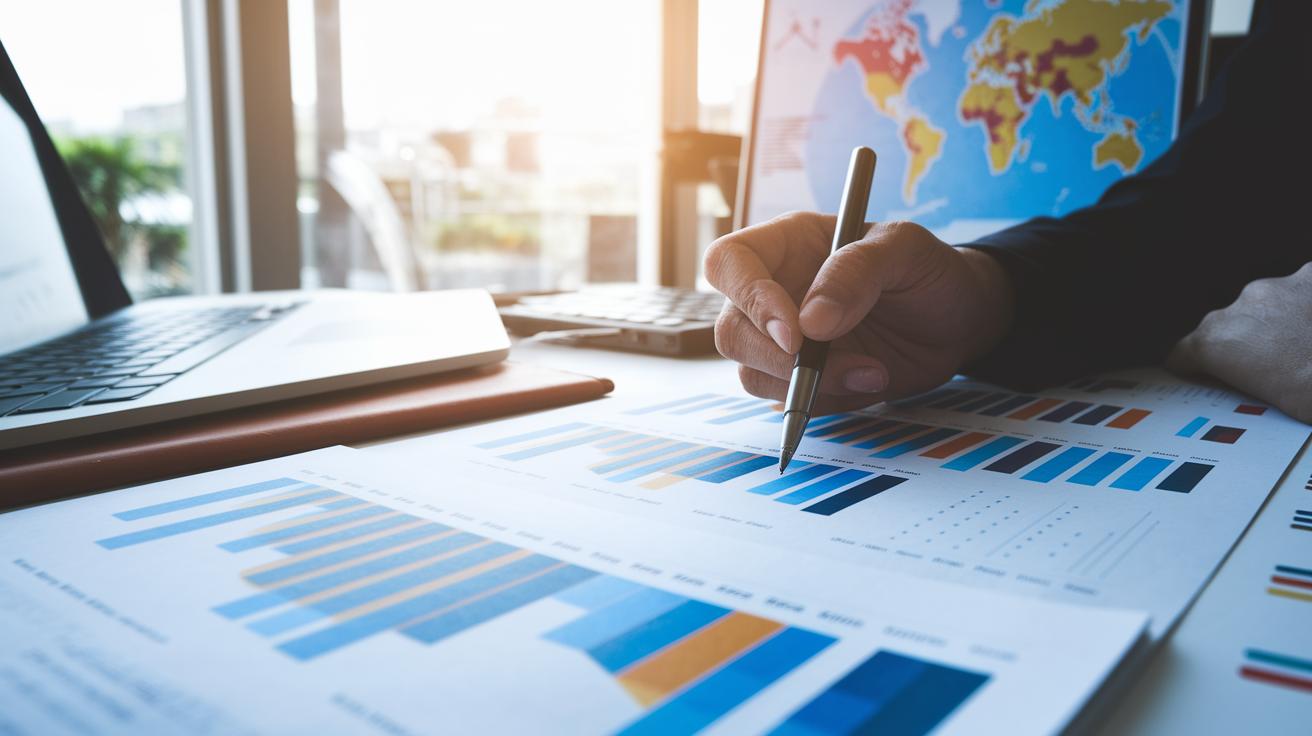
Mapping geopolitical risks to asset classes begins by clearly sorting each risk. Breaking risks into types helps you see how events like trade disputes, sanctions, and military actions can change market behavior. This lets you focus on asset classes that tend to react strongly. Using a step-by-step system, such as a risk matrix, you can assign scores based on past impact and adjust your positions accordingly.
| Risk Factor | Historical Example | Asset Classes | Typical Impact |
|---|---|---|---|
| Trade Negotiation | US-China trade war | Commodities (soybeans, steel) | Sharp price swings |
| Sanctions | Iran sanctions | Crude oil | Upward price pressure |
| Military Conflict | Regional conflicts | Gold, US Treasuries | Flight to safe havens |
| Terrorism | Major terror incident | Safe-haven currencies | Increased volatility |
This approach makes rebalancing your portfolio clear and organized. Once you sort the risks, review how sensitive your investments are to each one. For example, if trade negotiations heat up, you might reduce exposure to commodities known for large swings. When sanctions are implemented and oil prices rise, trimming positions in energy assets can help limit big losses. In times of rising military tension or terror threats, shifting funds to safe havens like gold or US Treasuries may protect your capital. By clearly defining each asset's role within your risk matrix, you ensure that market changes prompt the right portfolio adjustments. This method can help limit sudden losses and position you to seize gains as the market adapts to new geopolitical conditions.
Real-Time Sentiment Analysis in Geopolitical News Trading
Traders need to know market sentiment to understand how geopolitical events influence prices. Emotions can boost or dull the effect of news, often triggering sharp market moves. When surprise news hits, prices can swing wildly and liquidity may drop, making fixed stop orders unreliable in the first minute. That’s why tracking sentiment in real time is vital for adjusting your strategy.
- Newswire sentiment feeds: Follow headline shifts as they happen.
- Social-media scoring: Keep an eye on investor chatter and trending views.
- Volatility impulse indices: Track sudden shifts in market behavior.
- Real-time economic calendar alerts: Stay ahead of scheduled events.
- Trading volume pulses: Notice spikes that signal changes.
- Price momentum metrics: Check the strength and direction of price movements.
- Central bank reaction trackers: Watch for official responses that can move markets.
By feeding these signals into a dashboard or algorithm, you can turn raw data into clear actions. This lets you adjust risks, spot entry chances, and reduce first-minute slippage. In short, it transforms news into fast, precise moves that support your geopolitical trading plan.
Event-Driven Trading Tactics for Geopolitical News
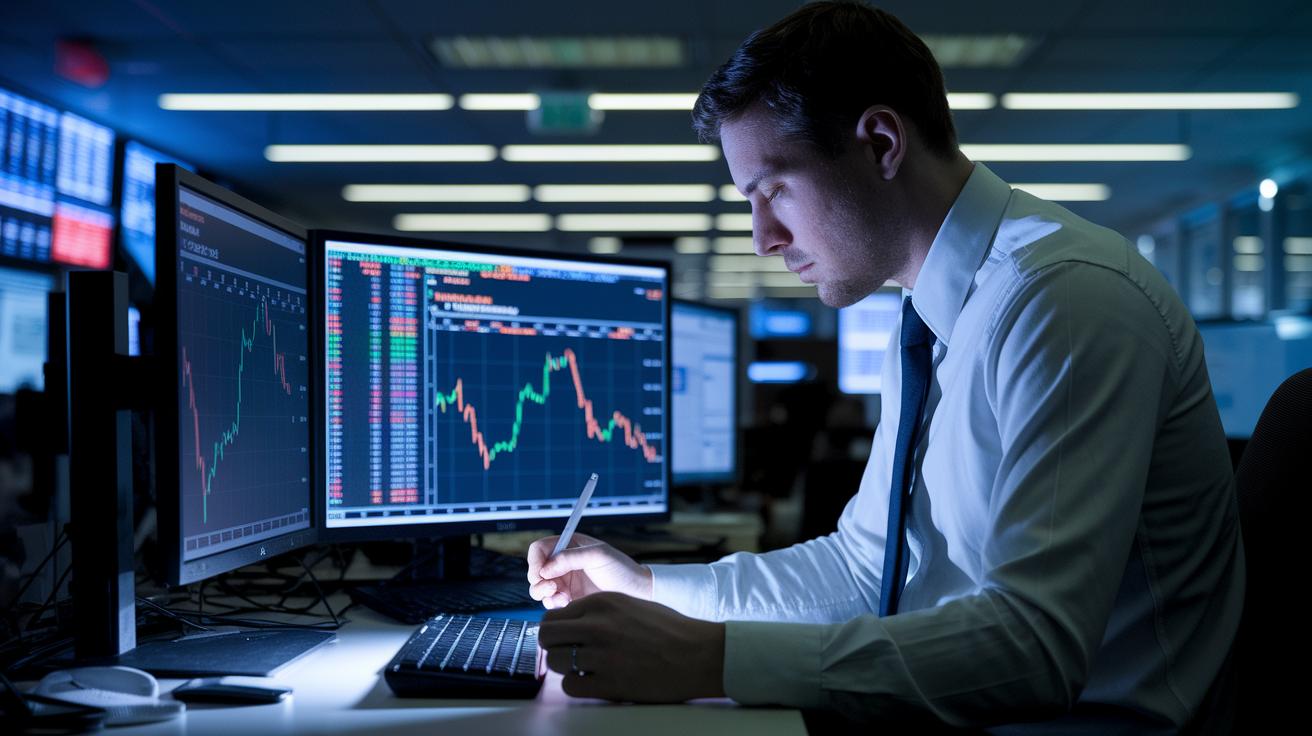
TL;DR: Prepare your positions before news hits, trade carefully during the event, and adjust your portfolio after the market settles.
Before an anticipated event, use a simple risk checklist to verify your exposure. Adjust your positions with delta hedges (technique to balance risk) to take advantage of market swings. Set clear position limits so sudden moves don't overwhelm you. Review your charts and update stop-loss orders based on the asset’s daily volatility. For example, decide in advance how much loss is acceptable on a volatile commodity before the event.
During the event, steer clear of market orders that could lead to large slippage. Instead, use limit orders for gradual entries as the market finds its footing. Apply adaptive stop-loss rules that change with the market’s volatility. By monitoring key price levels and live news, you can ease into the trade rather than jumping in all at once.
After the initial spike, transition to a more measured approach. Follow your profit-taking rules and rebalance your portfolio to lock in gains while lowering risk. Keep an eye on the market’s return to normal trading patterns to fine-tune your positions. This final step helps protect your profits from unexpected price gaps.
Risk Management and Position Sizing in Geopolitical Trading Strategies
TL;DR: Follow strict risk rules and clear trade limits during volatile geopolitical events.
When big world events shake the market, sticking to set rules is a must. Define your stop-loss and take-profit levels, decide how much you’re willing to risk, and set limits on position sizes and leverage. This helps protect your money while still capturing gains after the event.
Key techniques include:
- Stop-loss orders based on the average true range (ATR, a measure of market volatility).
- Multiple take-profit targets to gradually secure profits.
- Choosing between fixed fractional or fixed dollar sizing for trades.
- Setting leverage limits to avoid overexposure.
- Using option strategies like collars and spreads for extra protection.
By writing these rules into an emergency plan, you build a framework that limits losses and helps you stick to your strategy even when emotions run high. Review and update your guidelines regularly to stay confident and ready to manage risk in uncertain times.
Case Studies of Geopolitical News Trading Strategies in Action
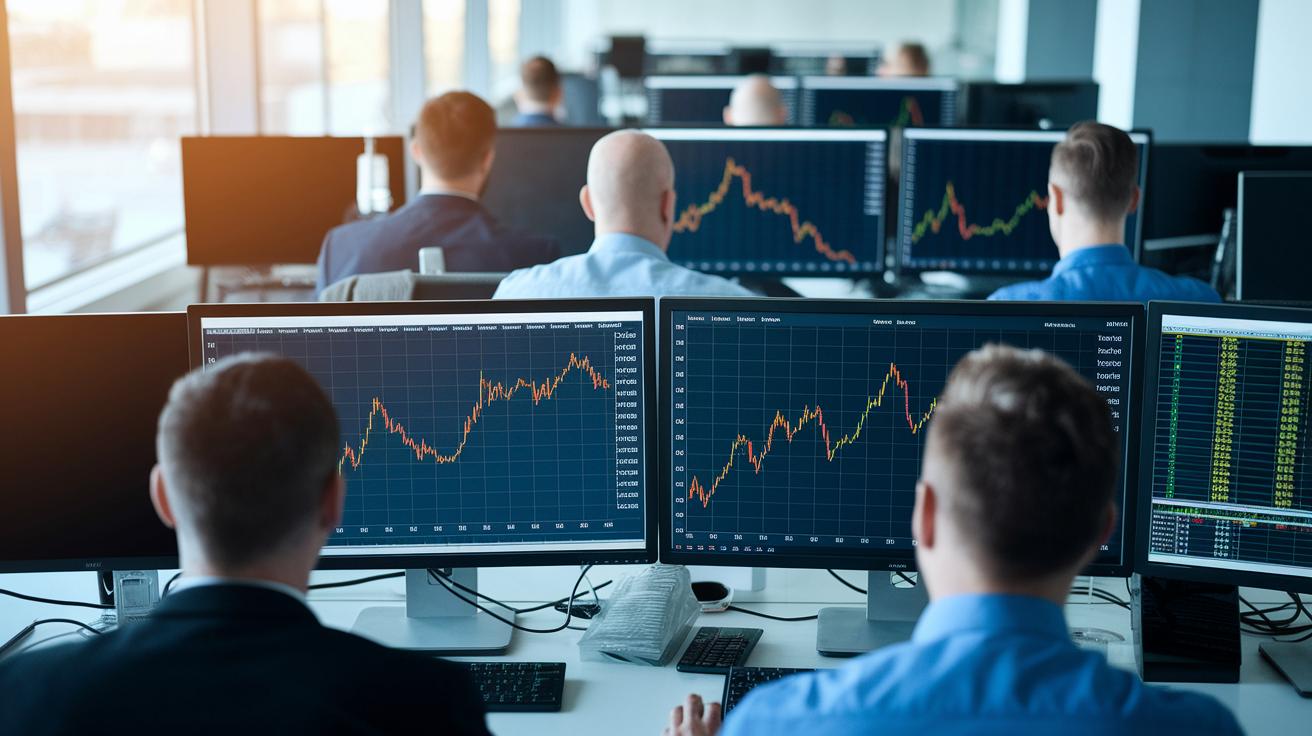
Case 1: A drop in terror threat concerns triggered profit-taking. Gold fell from $5,115 as investors moved their money to safer assets. Seen as a safe haven during stress (see gold investment trends – https://moneyrepo.com?p=3082), this price drop shows how quickly market mood can change.
Traders acted fast. They placed limit orders with stop-loss settings to guard against sudden moves. By watching news feeds and technical signals, they jumped in during the profit-taking wave and gradually exited as the market steadied. This strategy helped them capture gains while keeping risk low.
Case 2: Sanctions news from OPEC+ pushed WTI crude to test key support at $61.80. This news shook up energy markets and influenced wider commodity trading. It underscores how geopolitical events can drive investors to adopt tactics that target sanctions and supply issues.
Traders used staggered limit orders to enter positions near the support level and set dynamic stop-loss orders that adjusted with intraday moves. This careful approach allowed them to benefit from the temporary support test while keeping exposure to reversals to a minimum.
Final Words
In the action, this article laid out a clear framework for handling market shifts during global events.
We defined key principles and built a three-step plan for integrating news flows into your trade plan.
The guide showed you how to assess risks, use real-time sentiment data, and adjust tactics across pre-event, in-event, and post-event stages.
These geopolitical news trading strategies offer a practical path to better manage volatility and seize opportunities.
Embrace these steps to build a more resilient and informed trading approach.