



TL;DR: Use digital wallets to pay faster and safer.
Ever thought your phone could replace your wallet? Digital wallets let you store your payment cards on your device so you can pay without hauling around plastic. Each time you make a payment, they replace your real card details with a temporary code to keep your info safe. This not only makes transactions simpler but also gives you a level of security that a traditional wallet simply can’t match. Dive in to see how these digital tools are changing everyday payments.
what is a digital wallet: Simple and Secure
TL;DR: A digital wallet is a secure app or online service that stores your payment cards and lets you pay or send money without exposing your real card details.
A digital wallet safely holds all your credit, debit, prepaid, and loyalty cards on your phone or computer. This means you no longer need to carry physical cards. Instead, you can shop online, make in-store payments, or transfer money just with your device.
Instead of sharing your actual card information during a purchase, the wallet creates a one-time code made of random numbers. Think of it like getting a temporary password each time you pay. This process helps keep your financial details safe.
You can use a digital wallet for both online and in-person payments. At a checkout, a simple tap of your phone uses near-field communication (NFC) or a QR code to quickly and securely complete your transaction. It also lets you send money to friends without the hassle of entering bank details every time.
While digital wallets are designed for safety and ease, they might not work everywhere. So, it’s a good idea to keep a backup physical card for times when digital payments aren’t accepted.
Key Features of Digital Wallets
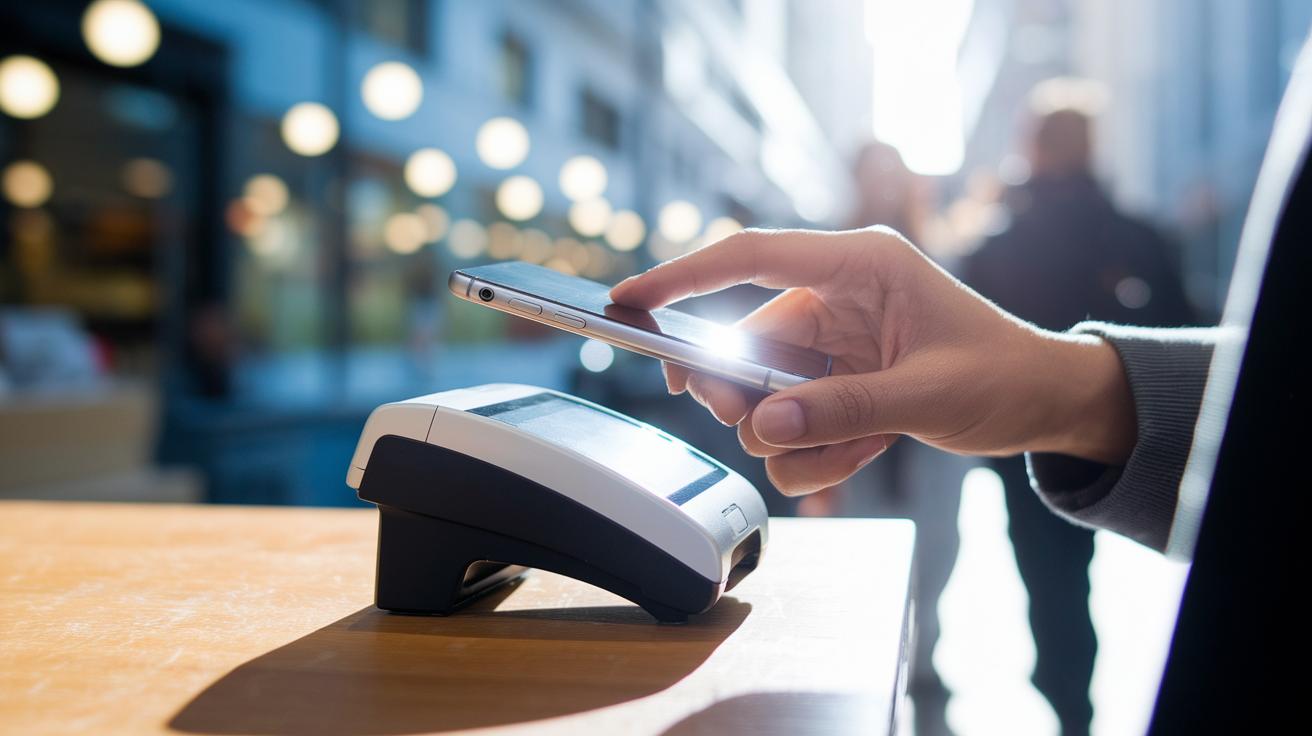
Digital wallets let you pay quickly and securely. They use modern tech with strong security so you can pay with a tap or scan instead of carrying physical cards.
- NFC-based contactless payments
- QR code checkout support
- One-time-use token generation
- Biometric or PIN authentication
- Multi-card and loyalty card storage
- Real-time transaction notifications
These features work together to make transactions smooth and safe. NFC and QR scanning let you complete touchless payments, cutting down wait times. One-time-use tokens replace your card details with temporary codes, keeping your info secure. Biometric or PIN checks ensure only you can access the wallet, while storing multiple payment methods and loyalty cards in one spot saves time. Plus, real-time notifications alert you as soon as a transaction happens, so you can quickly spot any unusual activity.
Types of Digital Wallets Explained
You might choose more than one wallet type based on your needs. Some work great for quick everyday buys, some offer the flexibility to use different devices, and others keep your digital money extra safe. Different wallets come with their own features, and many people mix and match to cover all their money moves.
Mobile Wallet Apps
Mobile wallets like Apple Pay, Google Pay, and Samsung Pay run directly on your smartphone or smartwatch. They work only with specific devices. For example, Apple Pay only works on Apple phones and watches, while Android users turn to options like Google Pay or Samsung Pay to tap and pay quickly in stores.
Online Payment Services
Online payment services work on any device and operating system. Platforms such as PayPal and Venmo let you send money, shop online, and manage your account whether you’re on your phone or computer. This makes them a handy choice if you regularly switch between devices.
Crypto Wallets
Crypto wallets let you manage digital currencies by storing your private keys safely. They come in two forms: hardware wallets, which are physical devices kept offline, and software wallets, like browser extensions. These wallets boost security by verifying transactions offline, protecting cryptocurrencies like Bitcoin and others.
Cloud-Based Wallets
Cloud-based wallets give you access to your funds through any web portal. You don’t need to install a special app, making it easy to check your balance on any device with internet access.
| Wallet Type | Typical Use Case | Example Platforms |
|---|---|---|
| Mobile Wallet Apps | Quick, secure payments in stores | Apple Pay, Google Pay, Samsung Pay |
| Online Payment Services | Cross-device money transfers and payments | PayPal, Venmo |
| Crypto Wallets | Secure storage for digital currencies | Hardware wallets, browser extensions |
| Cloud-Based Wallets | Access funds from any web-enabled device | Web portal wallets |
Security and Fraud Prevention in Digital Wallets
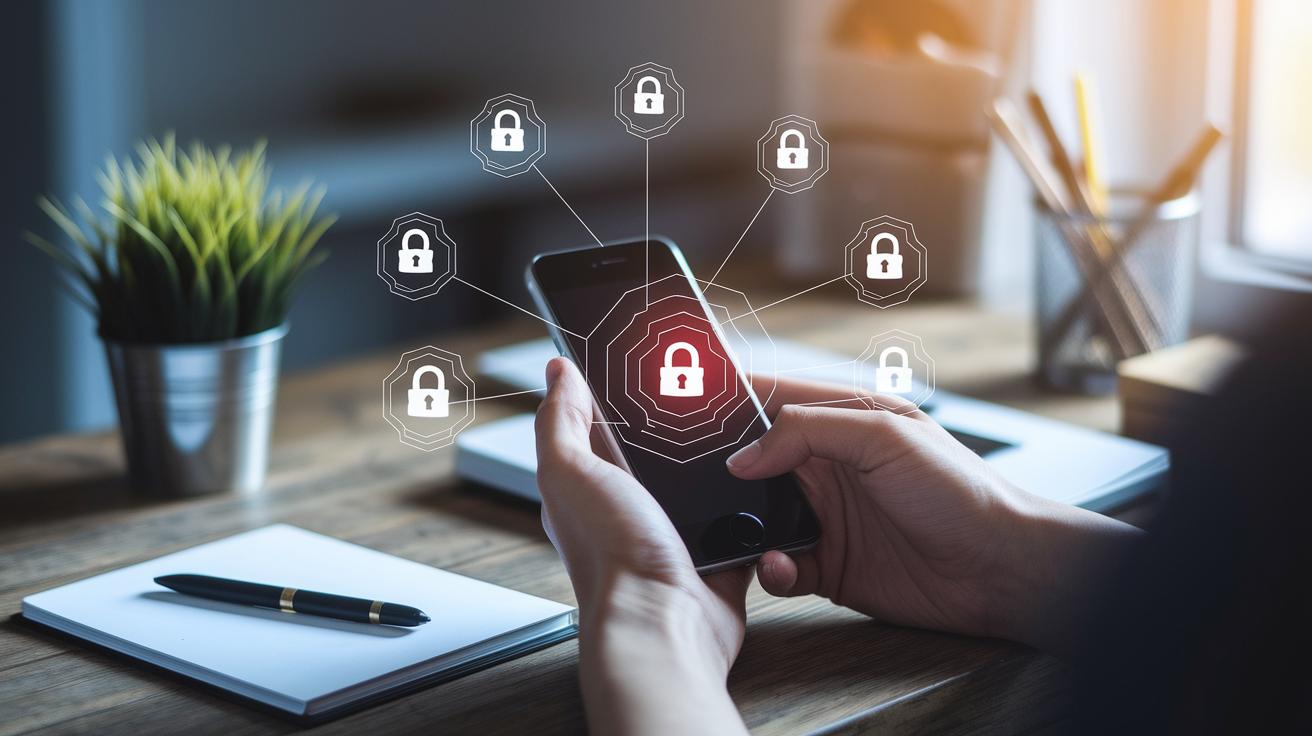
Digital wallets use strong, clear steps to keep your money safe with every transaction. They change your sensitive card details into temporary codes using tokenization and encryption. Even if someone intercepts the data, they can't access your real card information.
They also add another layer of security with multi-factor authentication methods, like fingerprint scans or facial recognition, to confirm your identity before processing a transaction. Device-specific locks make sure these tokens only work on your registered device, adding extra protection if someone else gets hold of the token.
Regular security updates and remote wipe options offer a fast response if your device is lost or stolen. Plus, built-in fraud monitoring constantly checks transactions and flags unusual activity, so you can react quickly if something seems off.
Key strengths of digital wallets:
- Tokenization swaps sensitive data for one-time codes.
- Encryption protects details in transit and at rest.
- Multi-factor authentication confirms your identity.
- Device-specific locks tie tokens to your registered device.
- Real-time fraud monitoring spots suspicious activity immediately.
These combined measures create a layered defense that helps you manage your payments with confidence.
Benefits and Limitations of Digital Wallets
Digital wallets let you check out quickly by removing the need to swipe cards or count cash. They store several payment methods in one secure spot, cutting down the risk of losing your cards. Plus, they offer spending insights so you can better manage your budget and track what you spend. They also tend to have lower fees on peer-to-peer transfers, saving you money with every transaction. For example, quick mobile payments help you skip long lines so you can focus on other things.
However, not every store accepts digital payments. Many small businesses or rural shops still rely on cash or physical cards, so it's smart to have a backup when you're on the go. Sometimes, your bank or card won't fully work with a digital wallet, meaning you might not use every payment method you own. Digital wallets are a handy tool, but their benefits depend on where you shop. Keep a physical option nearby to ensure you never miss a transaction.
Real-World Applications and Examples of Digital Wallets
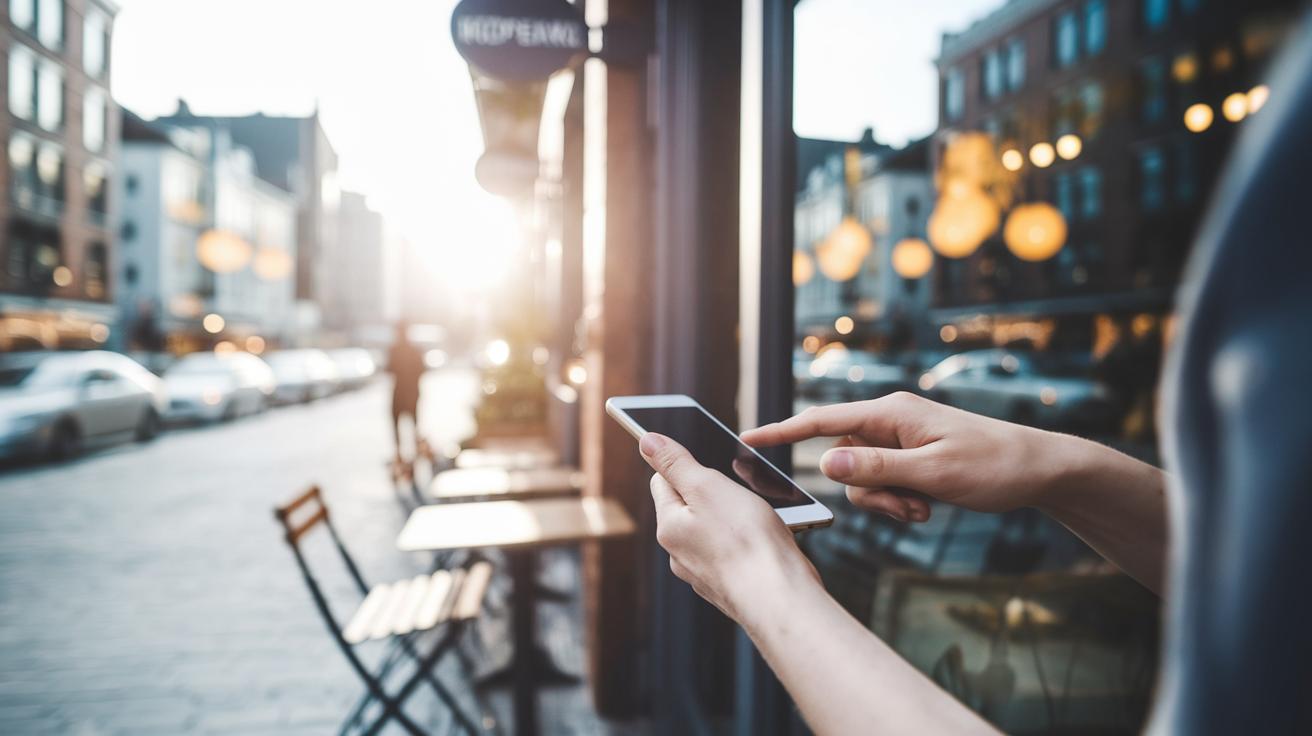
Consumers use digital wallets every day in many simple ways. When shopping, apps like Apple Pay, Google Pay, and Samsung Pay let you pay quickly by tapping your phone or watch at checkout. Picture leaving your coffee shop and paying on the spot without searching for cash or cards.
These wallets also make it easy to send money to friends. Platforms like PayPal and Venmo let you split bills or send cash fast, no matter what device you use.
Digital wallets are also part of digital banking. Some banks, like Revolut bank (https://buzdaily.com?p=1125), mix wallet features with multi-currency accounts. This setup gives you the benefits of a bank account with the speed of contactless payments.
A study from 2017 showed that confusion can slow down the use of digital wallets. Still, many people love the simple tap-and-go or QR code checkout experience.
In short, digital wallets help make shopping, sending money, and banking faster, safer, and more convenient.
Future Trends in Digital Wallet Technology
Digital wallets are gaining momentum as more people embrace a cashless lifestyle. Online shopping and contactless payments are making it easier to pay without a physical card. Soon, you can expect broader use of QR codes and phone apps that let you access ATMs without needing your card.
Blockchain-based wallets are on the rise too. These digital tools offer decentralized finance (crypto features), which means they can simplify international transfers and cut fees. In simple terms, think of them as secure digital vaults that let you send money overseas quickly and cheaply.
New standards are being worked on to help different digital wallet systems work together better. This means a smoother, safer experience when managing your money. Overall, these advancements make digital wallets a key player in our move toward a cashless future.
Final Words
In the action, we saw how digital wallets securely store your payment methods while offering a faster checkout and enhanced control. The post broke down what is a digital wallet, its core features, various types, and the safety measures that protect your transactions.
We also touched on both the benefits, like convenience and speed, and the limitations, such as merchant acceptance challenges. Keep these points in mind to take full advantage of this handy tool. Stay positive and confident in your digital finance journey.
FAQ
Q: What are digital wallet examples?
A: Digital wallet examples include Apple Pay, Google Pay, Samsung Pay, PayPal, and Venmo. They securely store your payment methods and support contactless transactions using tokenization.
Q: What is a digital wallet for cryptocurrency?
A: A digital wallet for cryptocurrency securely stores private keys and digital currencies. It supports transactions through hardware, software, or online platforms while using encryption and tokenization for safety.
Q: What is a digital wallet and how does it work?
A: A digital wallet is an application that safely stores your payment credentials. It works by replacing your card details with tokens and enables contactless and secure online transactions.
Q: What is a digital wallet app?
A: A digital wallet app is a mobile tool that stores credit, debit, and loyalty cards securely. It allows you to pay using tokenization and contactless methods at participating checkout terminals.
Q: What types of digital wallets are there?
A: Digital wallets come in several types such as mobile wallet apps, online payment services, crypto wallets, and cloud-based wallets, each offering unique security features and transaction capabilities.
Q: Is Cash App a digital wallet?
A: Cash App qualifies as a digital wallet because it securely stores payment credentials while enabling peer-to-peer transfers and in-app purchases using robust security protocols.
Q: Is Apple Pay a digital wallet?
A: Apple Pay is a digital wallet since it digitally stores your payment cards and uses biometric authentication for secure contactless transactions at supported retailers.
Q: Is PayPal considered a digital wallet?
A: PayPal functions as a digital wallet by allowing you to store funds and manage payment methods. It supports financial transactions online and through its mobile app with added security.
Q: What are the disadvantages of a digital wallet?
A: Digital wallets can have limitations such as reduced merchant acceptance, compatibility issues with certain banks or cards, smartphone dependency, and potential connectivity challenges, making physical cards a backup option.
Q: How do I set up a digital wallet?
A: To set up a digital wallet, download the app, link your bank account or card, verify your identity, and configure security options like a PIN or biometric authentication for safe usage.
Q: Which is safer: a credit card or a digital wallet?
A: Digital wallets are generally safer than credit cards due to tokenization, encryption, biometric verification, and real-time alerts that help prevent unauthorized transactions.
Q: How do I use a digital wallet on my iPhone?
A: Using a digital wallet on an iPhone involves adding your card to the Wallet app, then tapping your phone on contactless terminals or choosing tokenized payment options during in-app checkout.
Q: What is the best digital wallet app for Android?
A: For Android users, top options include Google Pay, Samsung Pay, and PayPal. Each offers secure tokenization, reliable contactless payments, and user-friendly interfaces to meet varied needs.